
Session guide
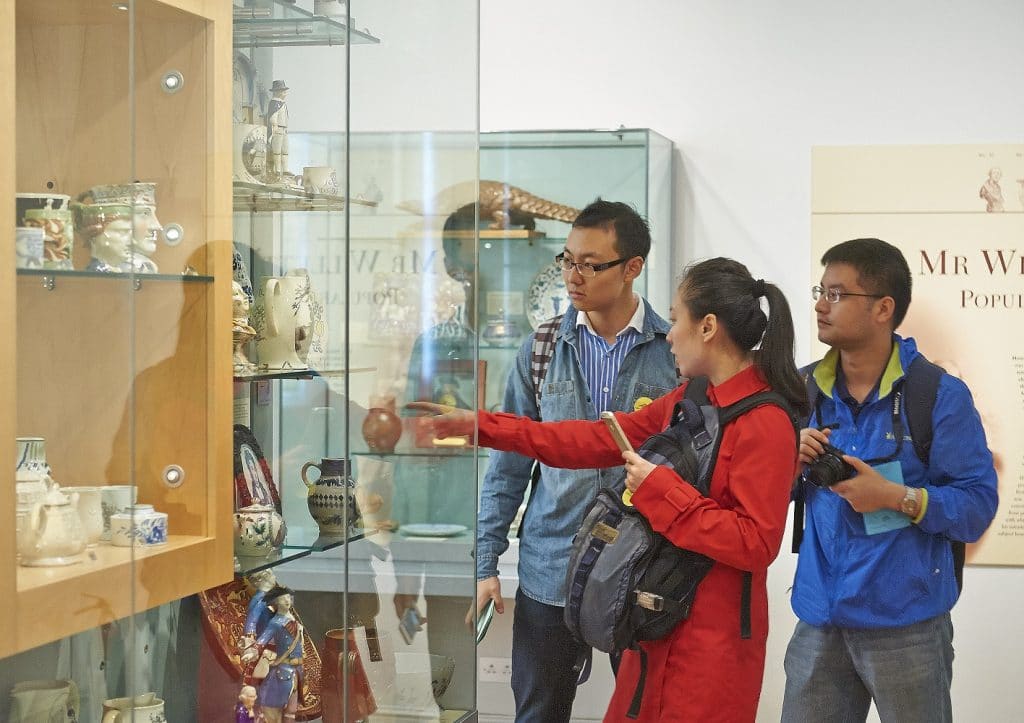
Creating a new permanent gallery is an amazing opportunity for museum staff to remember the lessons learnt from previous projects and to implement change. Museum staff must consider that the new gallery will indefinitely remain and should therefore ensure that what they create is relevant today but will also stand the test of time.
With these issues at the forefront of the minds of many culture and heritage professionals, Rooms 42 and 43: the Albukhary Foundation Gallery of the Islamic world will act as a platform to discuss the planning and delivering of a new or refurbished permanent display.
Objectives
- To share an overview of the gallery.
- Look at the role of the curator in a gallery redisplay? Where did the inspiration for the gallery come from and what is the process for moving forward with a gallery redisplay at the British Museum?
- What story does the gallery tell and why?
- What was the process for selecting objects for the space – what was chosen to display and why?
- What are the opportunities and challenges of working on a new gallery or re-display?
- What is the role of the conservation team in a permanent gallery display?
- What was the interpretive planning and formative evaluation process?
- What are gateway objects and why are they used?
- Who are the team that install the objects and monitor the gallery spaces?
- What are the key objects in the gallery – from a handling/move/display perspective?
- This gallery has a light sensitive works such as paintings, calligraphies and textiles which rotate regularly, how is this managed and delivered?