
From Luxor to Nubia: a journey into the heart of heritage with ITP colleagues
Written by Dr. Heba Hassan Amer, Museum Curator and Head of Education, Alexandria National Museum (Egypt, ITP 2024)
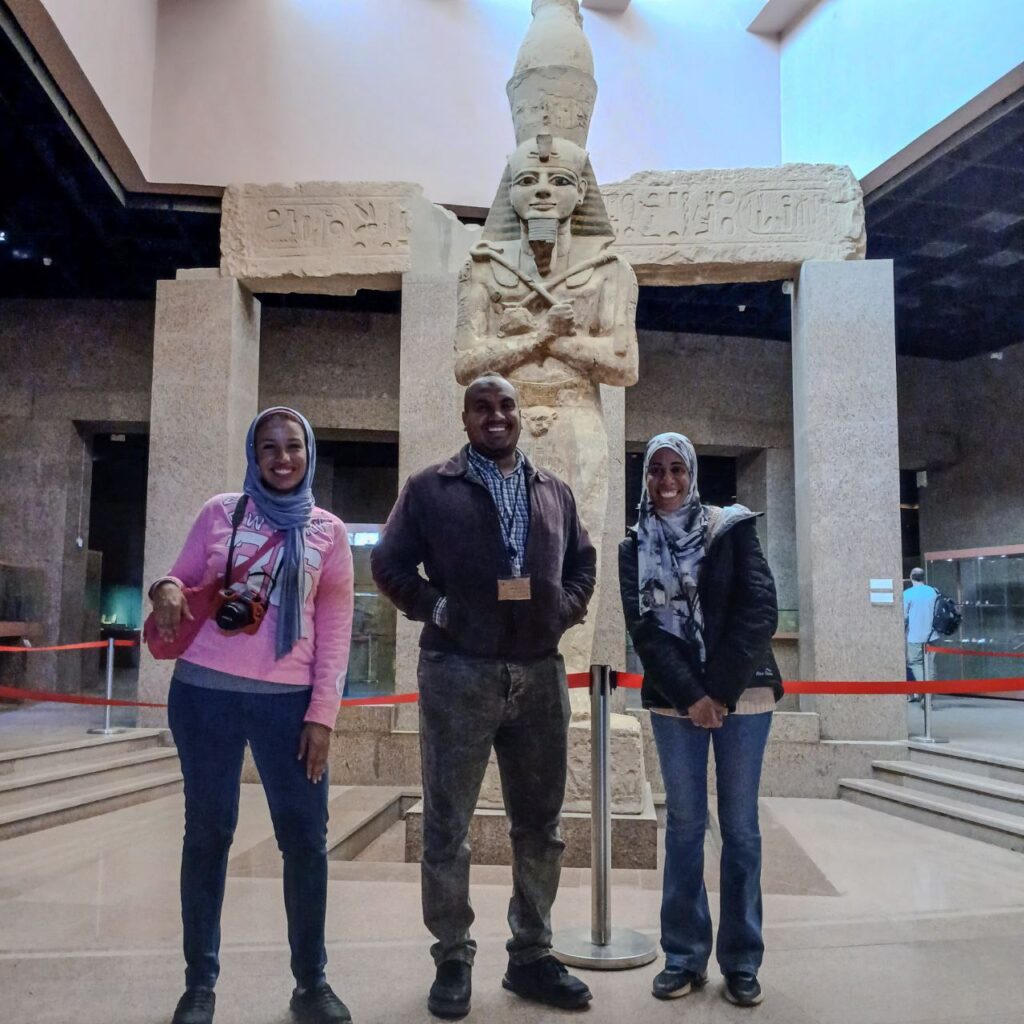
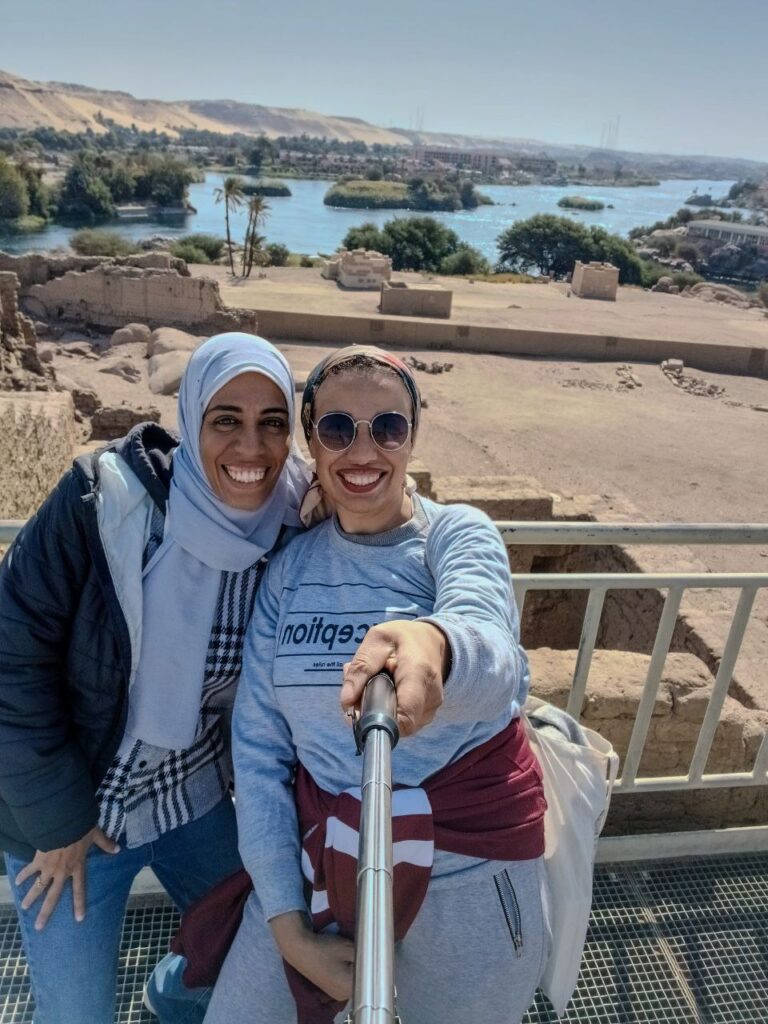
One of the most significant benefits I gained from the International Training Programme in 2024 was building a network of professional relationships within Egypt and abroad. This has opened doors for me to discover new facets of heritage alongside my colleagues. This time, I received an invitation from Heba Alders (Egypt, ITP 2024), Curator at the Aswan Museum, and Yasser Abdel-Radi (Egypt, ITP 2019), Restoration Specialist at the Nubia Museum, to explore southern Egypt up close. My journey was not just a visit to archaeological sites; it was an experience rich in human and professional details. I witnessed how history intersects with the present and how the people of the south preserve their tangible and intangible heritage across generations.
My journey began at the house of Howard Carter in Luxor, where the discoverer of Tutankhamun’s tomb lived. As I stepped inside, I felt as if I had traveled back a century! Every detail here recreates the moment of the tomb’s discovery in 1922. The house is designed to simulate Carter’s life, and next to it is a life-size replica of the tomb, giving you the awe of the first discovery.
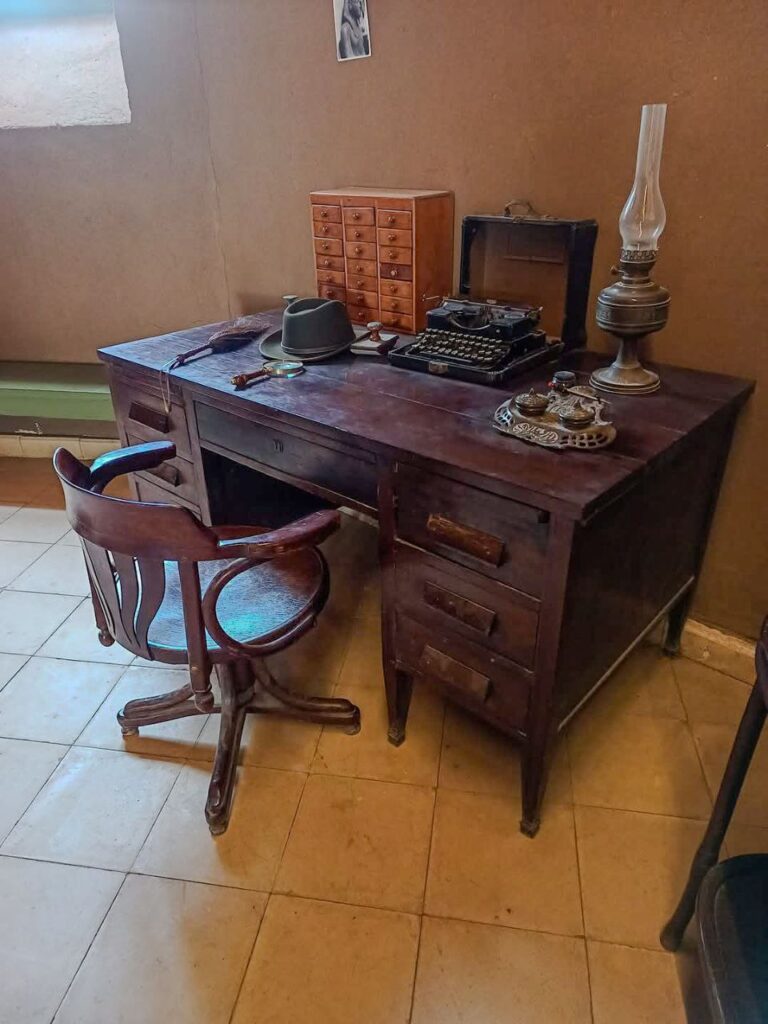
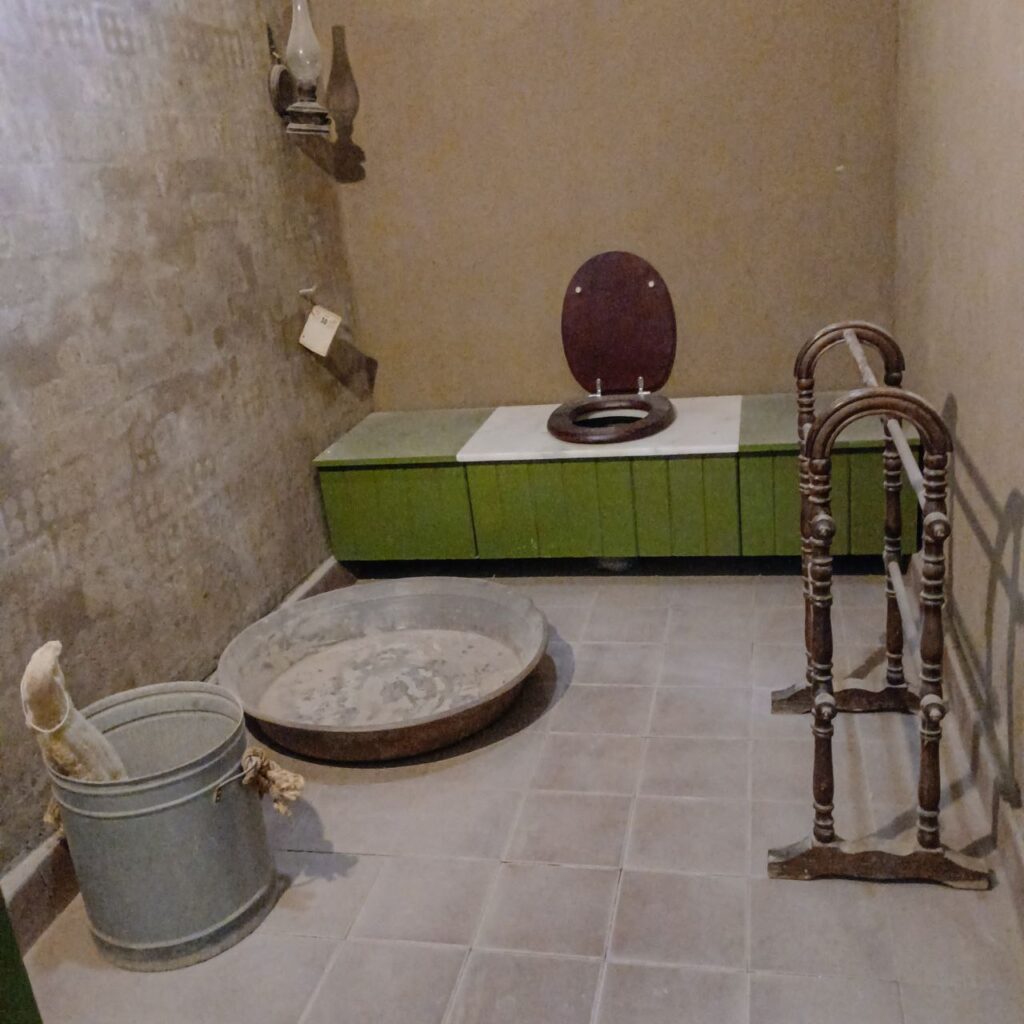
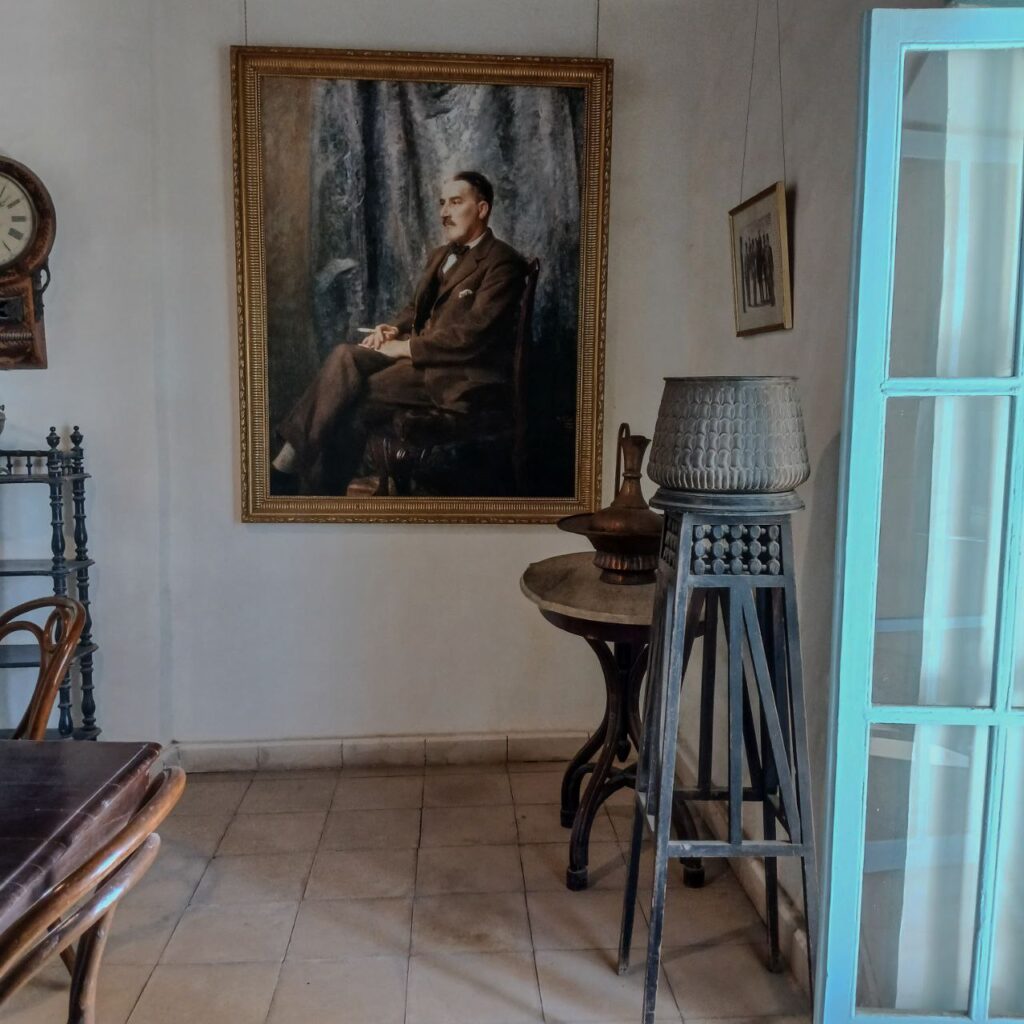
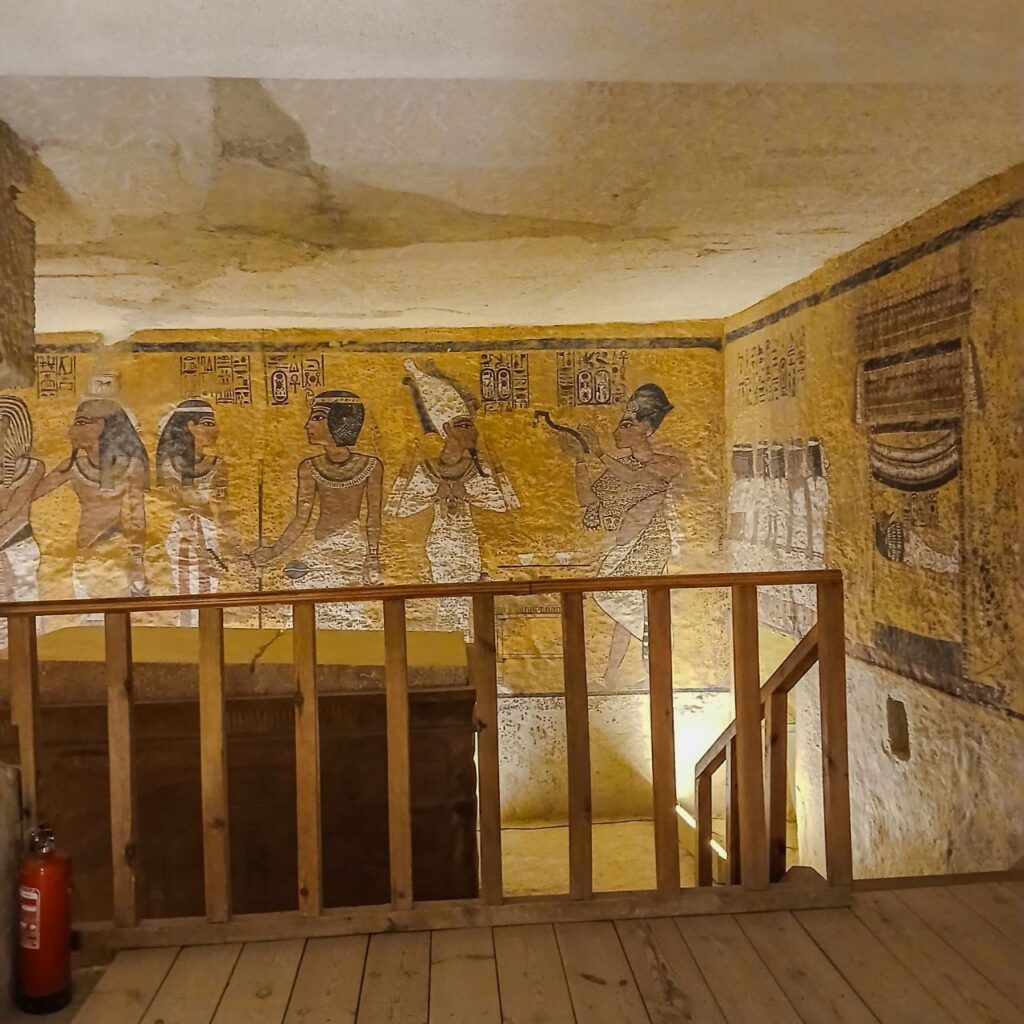
Inside, the mud walls, the simple furniture, and the dark photography room reflect the life of an archaeologist in a time when electricity was not a luxury. On the desks, Carter’s papers, his rusty tools, and faded maps bear witness to his journey. Outside, the palm trees whisper secrets of the past, and the sunlight adds an aura of mystery. Here, you don’t just see history—you live it!
At the Aswan Museum on Elephantine Island, Heba Alders welcomed me with a tour of the museum’s treasures. I stopped in amazement at the “Pharaonic Marriage Contract Papyrus,” the oldest marriage document in history! The papyrus, which dates back thousands of years, details the rights and property of the spouses, as if the Pharaohs wanted to say, “Love needs a contract!”
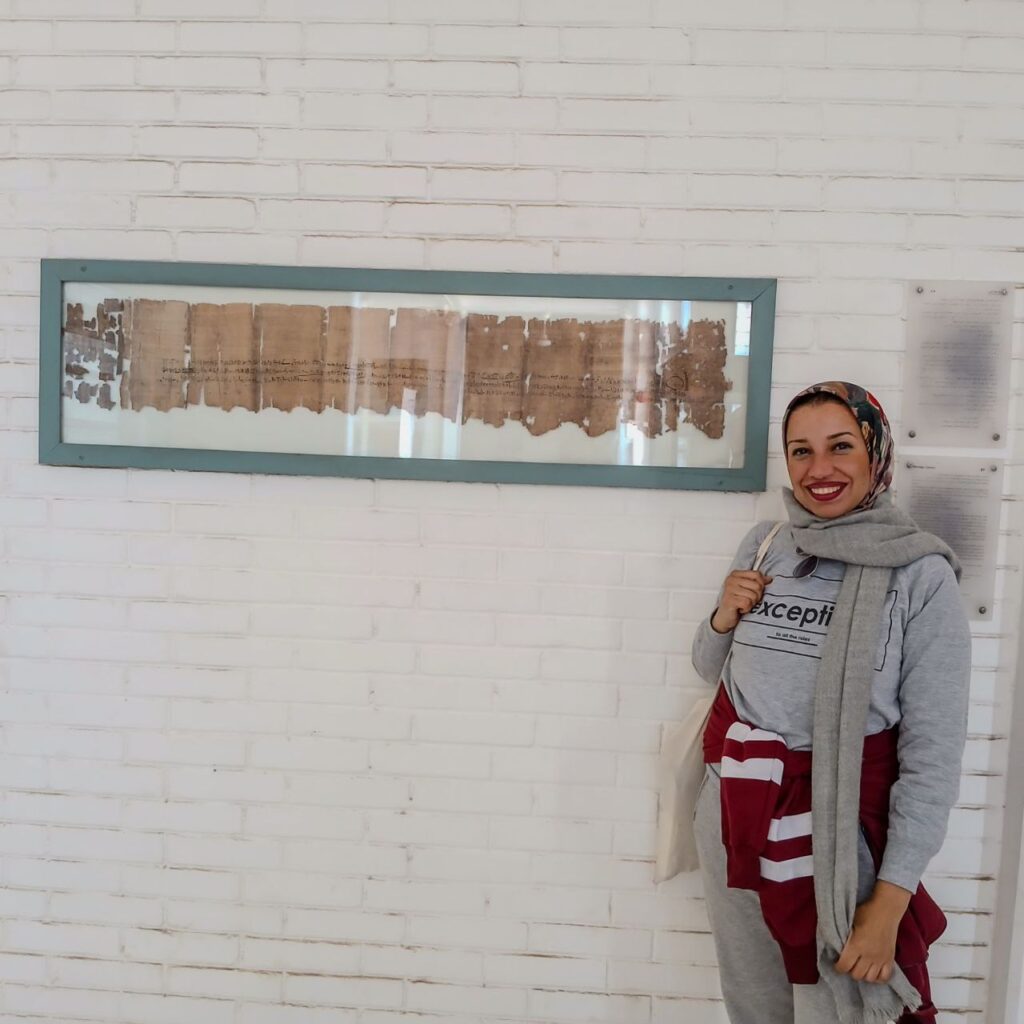
The tour concluded with a cup of Aswanian Karkadeh, a symbol of southern generosity, while Heba spoke about the museum’s development project (scheduled to open in 2026), which will transform the visit into an interactive journey.
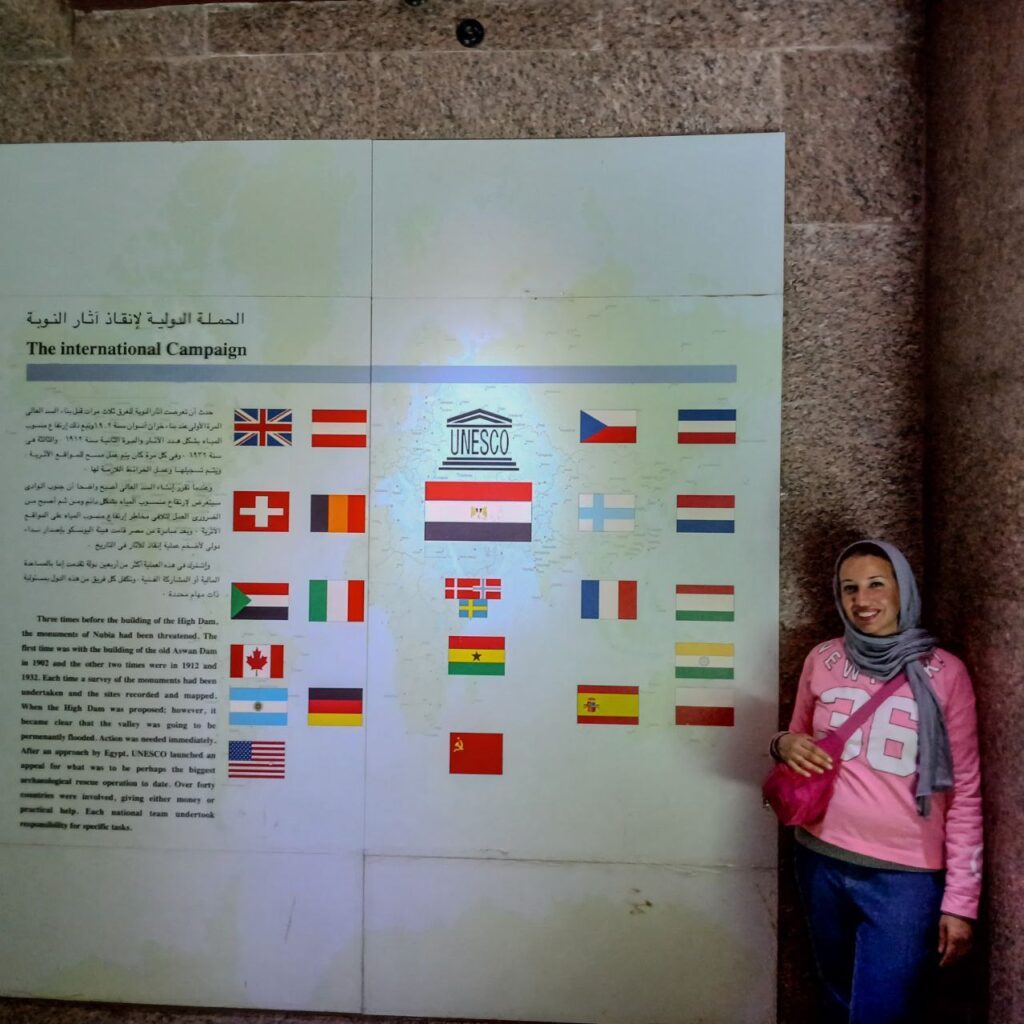
At the Nubia Museum, Yasser Abdel-Radi, the restoration specialist, accompanied us on a tour through the civilization of Nubia from prehistoric times to the present day. He told me enthusiastically about “the greatest archaeological rescue operation in history,” when the Temple of Philae was moved with the help of UNESCO to avoid being submerged under the waters of the High Dam. I was amazed by the detailed model of the temple and the Nubian everyday tools that tell the story of a people who preserved their identity despite all the challenges. Before I left, Yasser gave me a booklet about the rescue of Nubian antiquities, saying, “Take a piece of Nubia with you… a gift from the heart of heritage!”
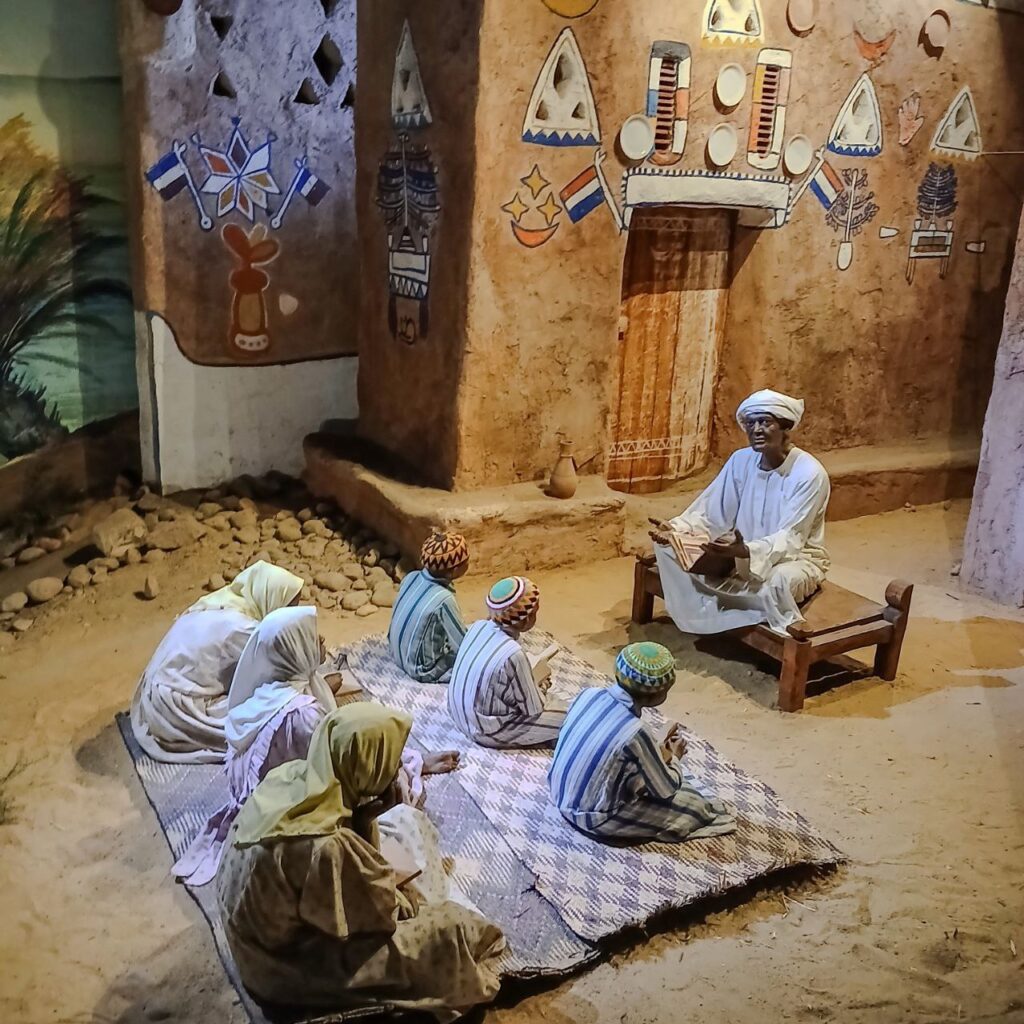
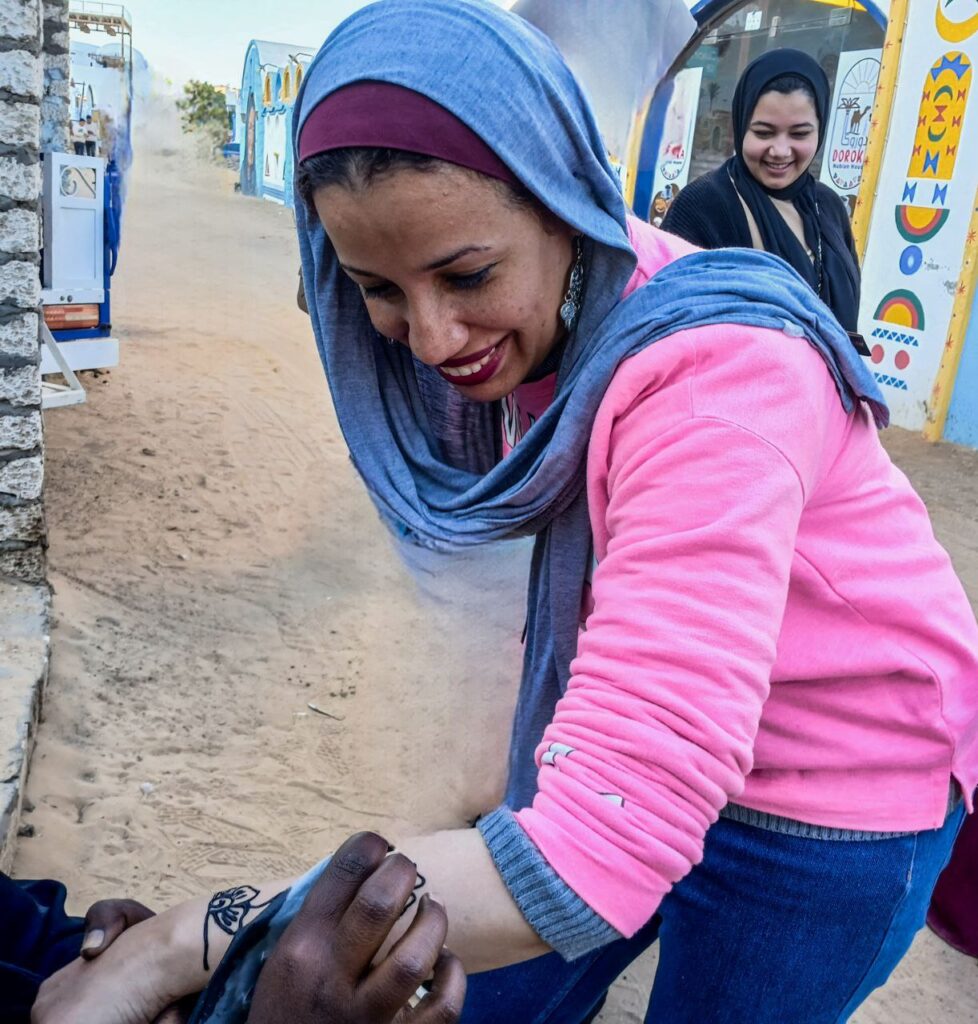
In the Nubian village of West Suhail, heritage blended with life. Henna sessions are not just decoration, but a practice registered with UNESCO on the list of intangible cultural heritage of Egypt. Henna drawing is not only a means of livelihood for Nubian girls, but it is also a language that expresses identity and traditions.
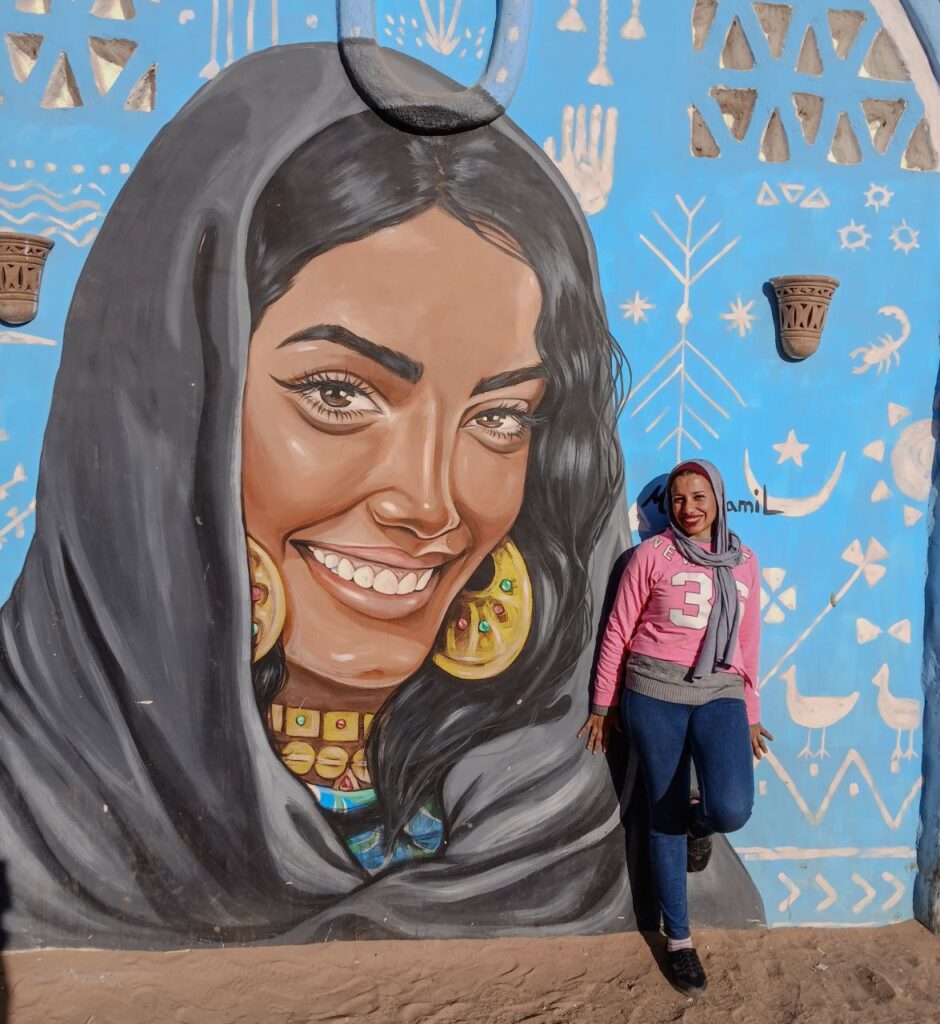
As for the houses, they are artistic paintings: walls painted in earthy colors, blue windows that mimic the Nile, and drawings that tell the stories of ancestors. Even the air carries the melodies of Nubian songs.
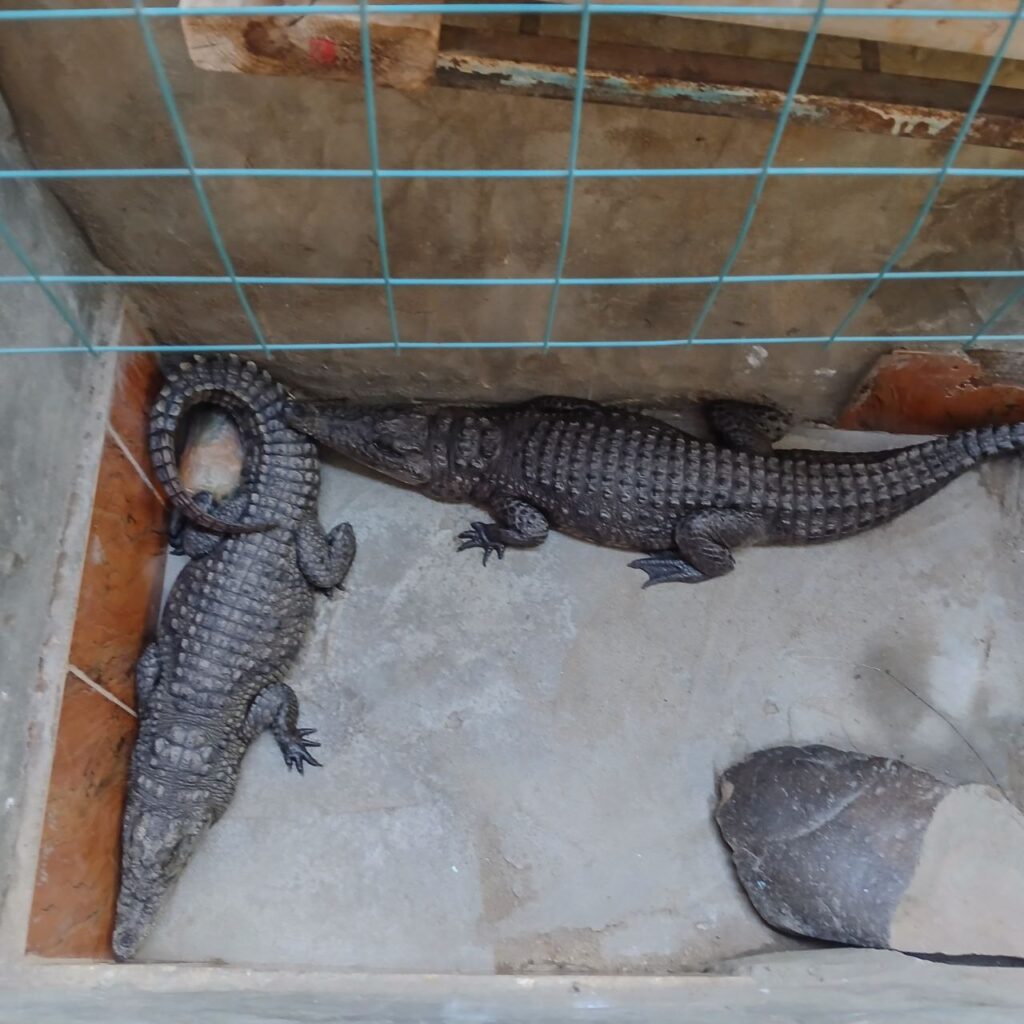
Among the corridors of these houses, the god Sobek (the crocodile) lives, not only as a mythical symbol, but as a living creature that is raised inside the houses as part of the traditions, where it is believed to bring protection and blessing to its inhabitants. The sight of crocodiles inside the mud pools in the courtyards of the houses brings to mind the connection of ancient Nubia with the god who was a symbol of strength and fertility in ancient Egypt.
My journey with my ITP colleagues was not just a visit to museums, but a dialogue between hearts that carry the same passion: protecting heritage. From Luxor to Nubia, I learned that civilization is not built with stones alone, but with hands that love what they do.