
A new exhibition at the Iraq Museum: inspired by the British Museum’s International Training Programme
Written by Abdulrahman Al-Khafaji, Fourth Archaeological Excavator, Department of Ancient Writings, Iraq Museum (Iraq, ITP 2024)
In a historic moment that brings together Iraq’s ancient legacy and a renewed vision for the future, the Iraq Museum recently opened a special exhibition showcasing repatriated artifacts – priceless treasures that have finally returned home after years of absence. But what makes this exhibition truly exceptional is not only the rarity of the objects on display, but the innovative way in which they are presented, marking a major leap in visitor engagement.
As a proud participant in the British Museum’s International Training Programme (ITP) 2024, I returned home carrying a wealth of ideas and inspiration. One of the most striking insights I gained during my time in London was the importance of enhancing museum interpretation and connecting visitors more deeply with the stories behind the objects. And that’s where this new initiative began.
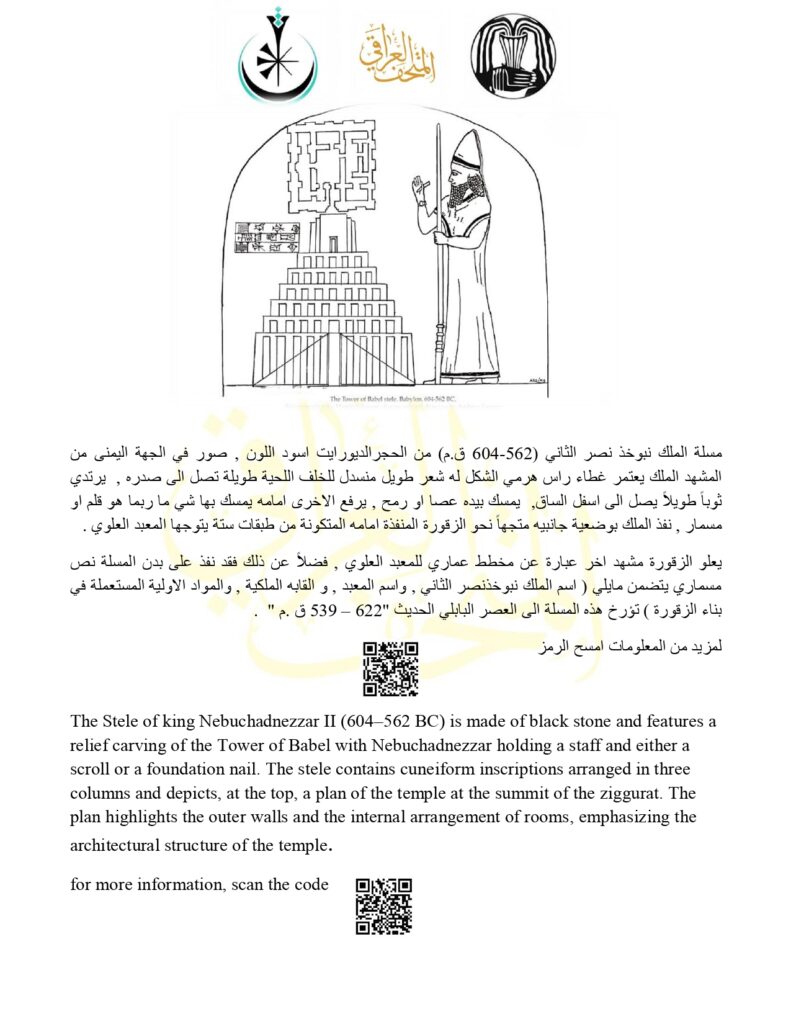
For the first time in the history of the Iraq Museum, newly written, simplified, and visitor-friendly object descriptions were created to accompany the artifacts. These descriptions were developed in both Arabic and English, presenting clear narratives in accessible language. But we didn’t stop there – we introduced a bold digital innovation: QR codes next to each object. These allow visitors to access expanded digital content including additional photos, audio recordings, and documentary clips. This idea was directly inspired by the practices I observed during the ITP in the UK.
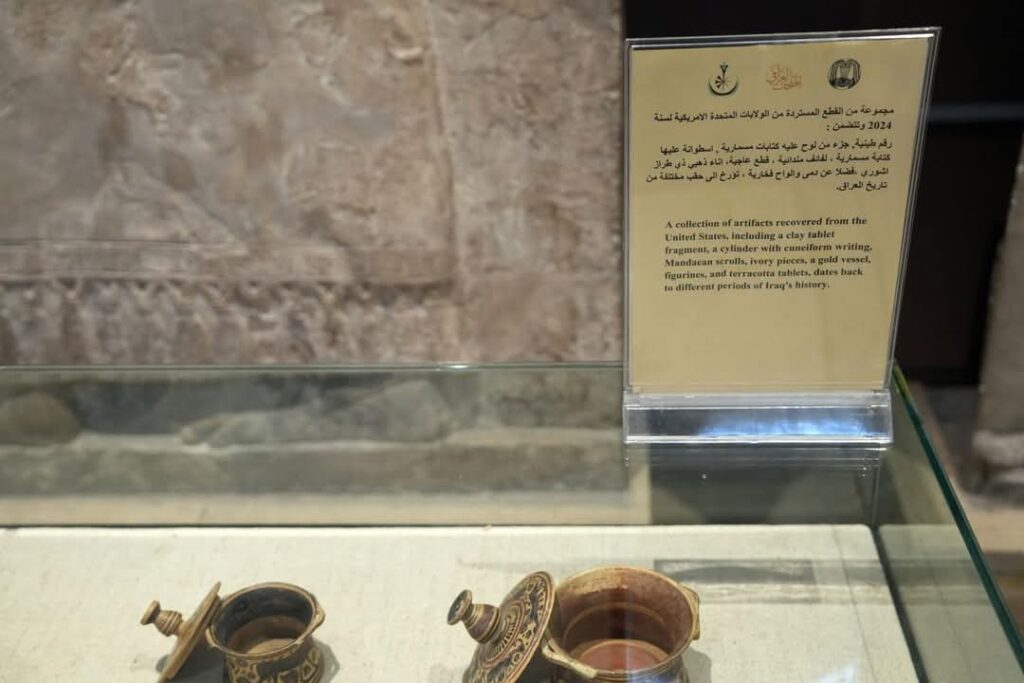
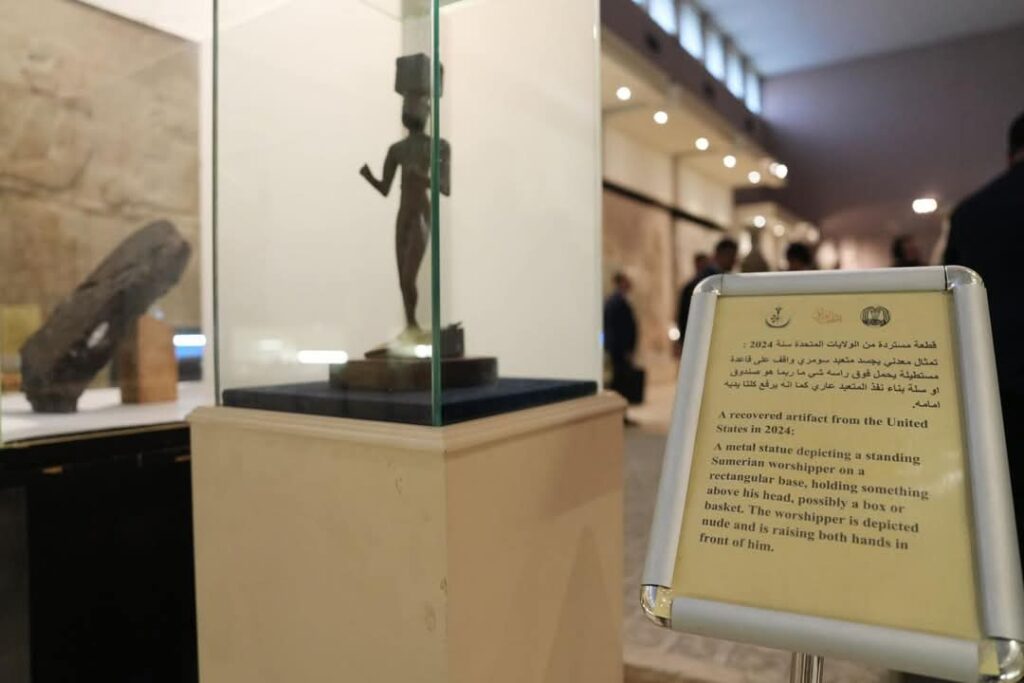
We chose the Stele of the Tower of Babel attributed to King Nebuchadnezzar II as the first piece to implement this new approach. Through the QR code, visitors can explore bilingual content that explains the historical context and function of the stele, provides a full translation of the cuneiform inscription, and analyzes the architectural plan depicted on the monument. Additionally, a 3D reconstruction of the tower based on the inscription was created – offering visitors a vivid, immersive glimpse into one of the most iconic architectural wonders of ancient Babylon.
What’s even more exciting is that many of the repatriated objects in this exhibition were actually discussed during a powerful ITP lecture titled “Restitution and Repatriation”, delivered by St John Simpson, Curator of the Middle East, and Sam Nixon, Curator of Africa, at the British Museum. The session highlighted their collaboration with UK Border Force in efforts to recover cultural heritage. That moment sparked a deep sense of responsibility and motivation within me to bring that spirit of collaboration to life in Baghdad.
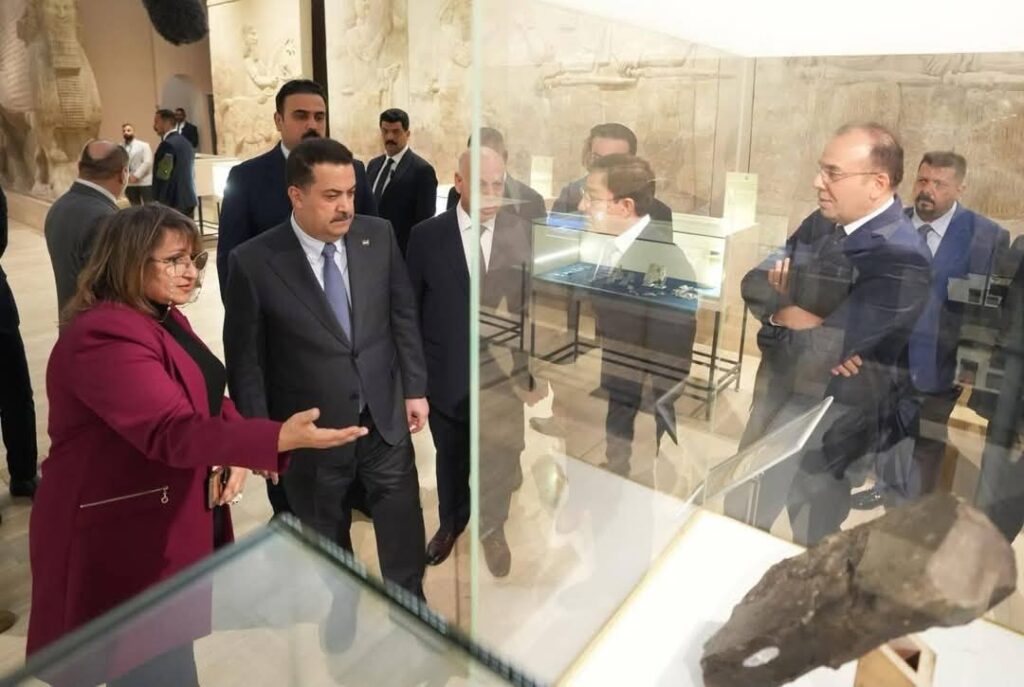
The preparation of this exhibition was a truly collective effort. As part of the organizing committee, we worked as one team – from carefully selecting the returned objects, to curating their sequence to tell a coherent story of return, to designing the interpretive materials in a way that enhances public understanding and engagement. This innovative method received enthusiastic praise from visitors, including none other than the Prime Minister of Iraq, who commended the modern design of the new interpretive panels and their integration with digital content – considering it a significant step forward in improving museum displays.
In closing, I would like to express my deepest gratitude to the British Museum’s International Training Programme, whose guidance, mentorship, and vision made this transformation possible. This experience has been truly life-changing, and I believe it marks not the end, but the beginning of a promising future of collaboration. With continued cultural exchange and shared expertise, we can breathe new life into our museums and restore Iraq’s rightful place on the global museum stage.