
Interpretation Connects Space, Time and Culture: A Day at Knole
Written by Liu Gaoli, Researcher and Curator, National Ainu Museum (Japan, ITP 2026)
My name is Liu Gaoli. I am a researcher and curator at the National Ainu Museum in Japan, and I am chuffed to be an ITP Fellow during the ITP’s twentieth anniversary year.
Unlike most of the Fellows, I work in a country other than my home country. This experience has made me particularly interested in how museums and cultural institutions interpret and represent cultures, especially when communicating across different languages, social contexts and cultural perspectives.
Our visit to Knole on 24 July offered a wonderful example of how interpretation can bring these ideas to life.
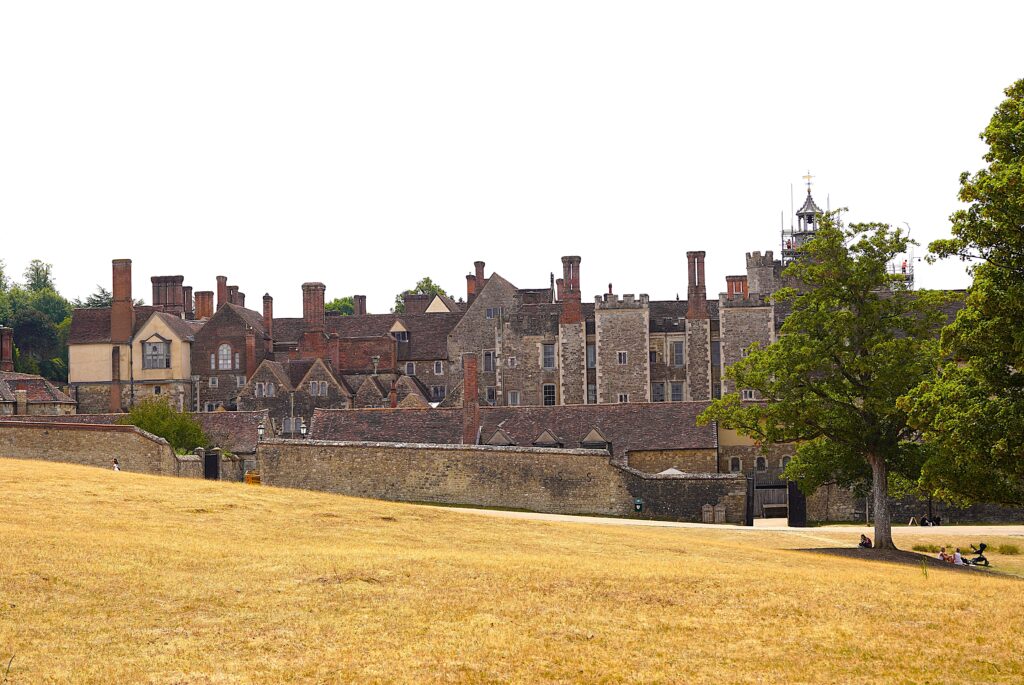
Knole is one of England’s great historic houses. It has been home to archbishops, royalty and the Sackville family, and its collections include remarkable paintings, furniture and decorative arts. Also, Knole has strong connections with the Bloomsbury Group. Through Vita Sackville-West, it inspired Virginia Woolf’s celebrated novel Orlando, making Knole not only a historic house but also an important place in modern literary history.
However, what impressed me most was not simply its long history. It was the way history continues to speak to people today.
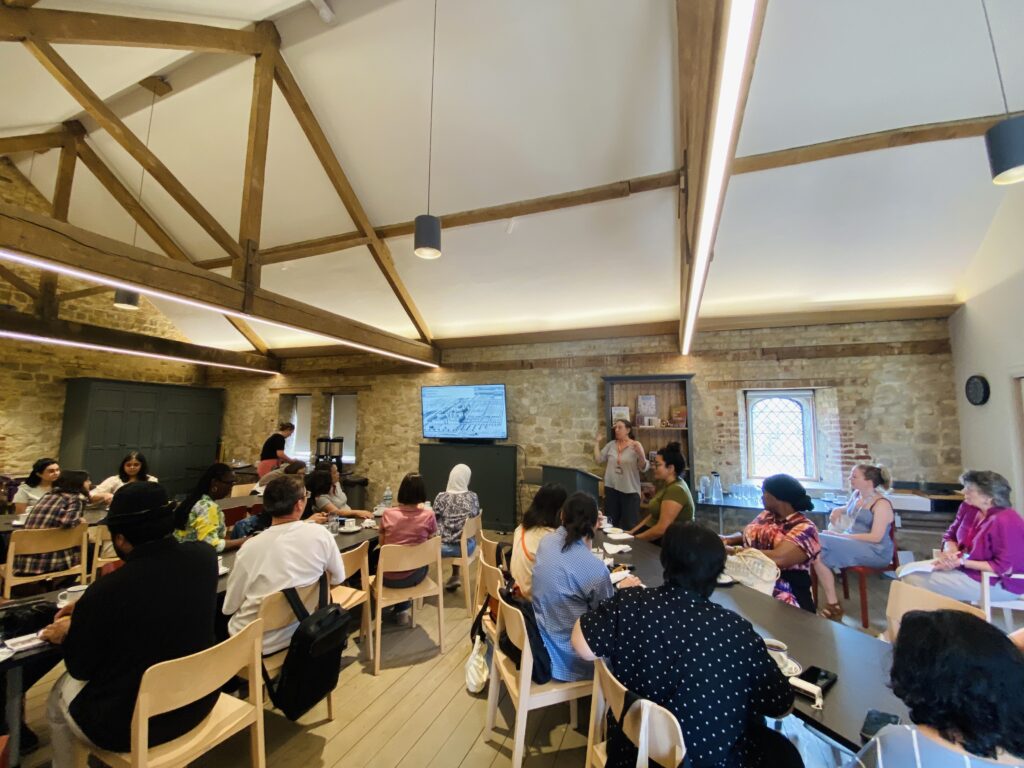
During our visit, Knole staff introduced us to Knole’s conservation work, interpretation strategy and volunteer programme. We learned that around 500 volunteers from the local community support the estate, with 30 to 40 people working on site each day. Their commitment showed that heritage is not only protected by professionals. It is sustained by a community that genuinely feels this place belongs to them. One story particularly stayed with me.
During conservation work, staff discovered notes left by people who had repaired the building many decades ago. One message had been written by a plumber working at Knole in 1906. More than a hundred years later, the conservation team traced his descendants, who donated his toolbox to Knole.
It was a small discovery, but a powerful one. Conservation became a conversation across generations. Someone whose contribution might once have gone unnoticed became part of Knole’s story once again.
This is interpretation at its best.
I was equally impressed by the educational activities throughout the showrooms. Every room contained an activity box with replica objects that encouraged visitors to explore the house for themselves. Visitors were invited to handle reproductions, identify objects within the room and imagine how people had once lived there.
A pair of bellows used to blow air into a fire particularly caught my attention. I had never seen one before. Discovering how it worked helped me understand the room far better than a written description alone could have done.
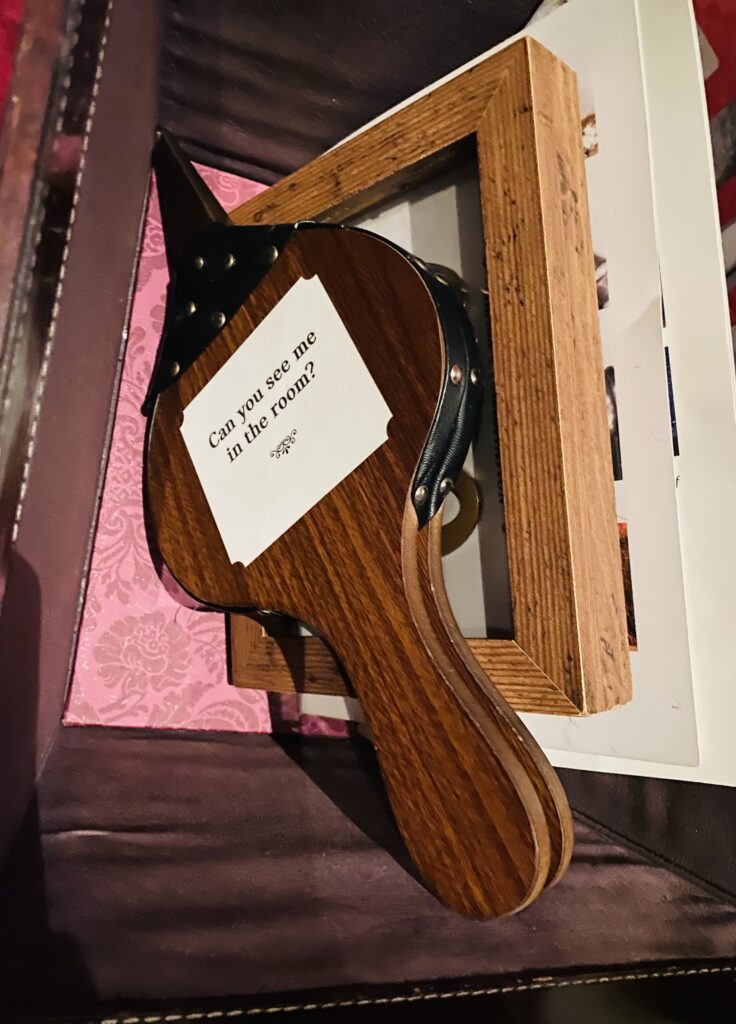
These simple activities transformed historic interiors from beautiful spaces into lived spaces.
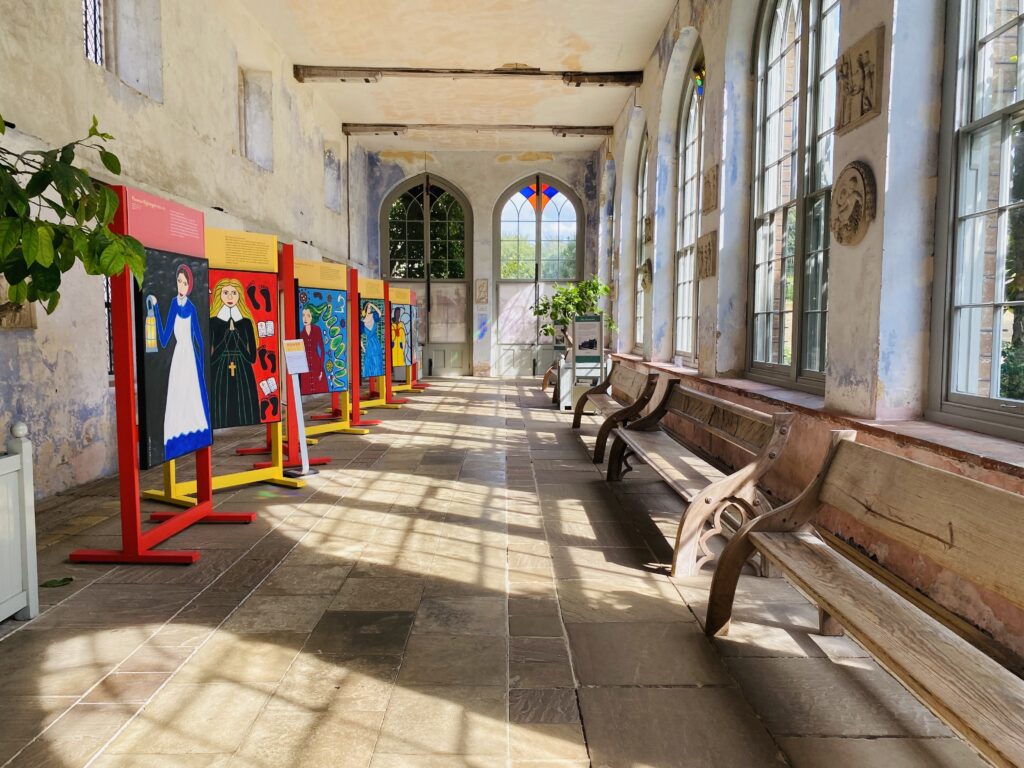
Another highlight of the visit was the temporary exhibition Powerhouse, featuring Chinwe Russell’s 20 Historical Women Who Changed the World.
Chinwe, a Nigerian-born British artist, has created a series of colourful contemporary portraits celebrating remarkable women from different cultures and historical periods. 7 of these works were displayed within Knole’s historic showrooms, where they were carefully paired with portraits and stories found in the house. The remaining 13 works were exhibited in the Orangery, which was freely accessible to visitors, inviting them to discover both the contemporary artist and Knole’s own collection.
For example, Knole’s historic portrait of Queen Elizabeth I was displayed alongside Chinwe’s contemporary interpretation of the Armada Portrait. The dialogue between these two works encouraged visitors not only to think about Elizabeth herself, but also about how history continues to be reinterpreted by artists from different backgrounds and different generations. Throughout the exhibition, contemporary voices entered into conversation with historic collections.
By the end of the visit, I realised that every aspect of Knole was creating connections. Conservation connected past and present. Volunteers connected heritage and community. Hands-on interpretation connected visitors with historic spaces. Contemporary exhibitions connected different cultures, different generations and different ways of understanding history.
For me, museum interpretation is not simply about explaining collections. It is about creating relationships. I believe this is one of the most important roles museums can play in the future. Museums and heritage institutions should be spaces where people connect with one another and with culture. Through interpretation, space, time and culture are no longer separate; they become connected through people.
That, perhaps, is the true power of the museum.