
“HAIR MATTERS”: A Lecture and Artistic Workshop on the Arts, Politics, and Craft of Hair Making in Nigeria
Written by Beatrice Adeola Bamigbade, Chief Conservator, Unity Museum, National Commission for Museums and Monuments (NCMM) (Nigeria, ITP 2022)
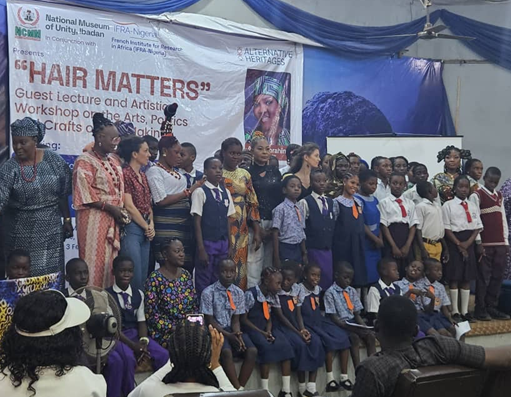
As museum practices evolve, the need for equitable collaborations between museums and their communities becomes increasingly important. At the National Museum of Unity in Ibadan, Nigeria, collaboration, access, and inclusion are prioritized to enhance community engagement. On February 3, 2026, the National Museum of Unity, in collaboration with the French Institute for Research in Africa (IFRA-Nigeria) under the Alternative Heritage Program, hosted a lecture and workshop titled “HAIR MATTERS.” This event explored the arts, politics, and crafts of hair making in Nigeria.
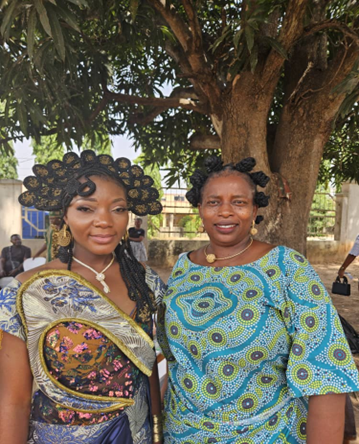
The tradition of hair styling long predates the colonial era, as evidenced by the elaborate hairstyles depicted in Nok terracotta creations, Queen Idia’s bronze head, and Yoruba carved figures. Historically, hair styling was more than just a fashion statement; it was an art form, a symbol of power and identity, and a daily practice for girls from birth. It is a communal and cultural practice in many African communities, with styles ranging from threading to braiding. Each hairstyle holds significant meaning, representing rituals, royal heritage, ceremonial occasions, and religious worship (e.g., among Osun and Sango worshippers).
In Nigeria, hair making serves as a nonverbal language and an intangible aspect of cultural heritage that goes beyond mere aesthetics. In both Nigeria and Africa as a whole, a woman’s hairstyle is a reflection of her beauty. Historically, it conveyed coded information about her marital status, indicating whether she was single or married. This practice was often how young men gauged a woman’s availability for relationships. A woman’s hairstyle could also reflect her hygiene and overall presentation. In precolonial times, hair styling was a form of gender politicking within Nigerian households, as married women used their hairstyles to attract and endear themselves to their husbands, often in an effort to discourage polygyny.
Traditional hairstyles were named after political policies, parties, and significant events marking Nigeria’s transition from colonial rule to independence. Some examples of these names include Lagos Bridge, Ogun Pari, Gowon, Right Hand Drive, and Festac.
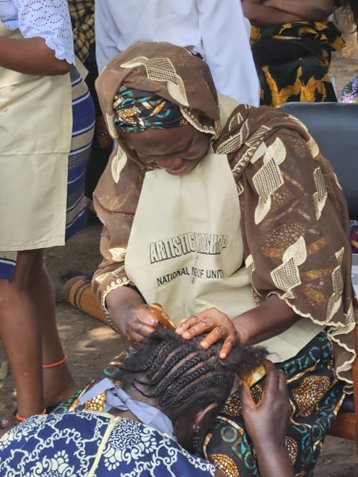
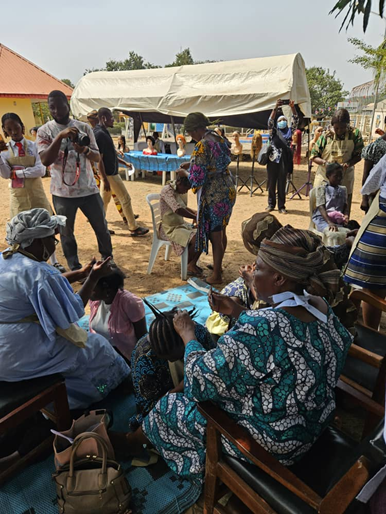
Colonialism led to the evolution of hairstyles in Nigeria, introducing curling, hair extensions, and the use of relaxers. Over time, the patronage of traditional hairstylists diminished, giving rise to contemporary hairstylists. The workshop featured both contemporary hairstylists and traditional Yoruba hairstylists (commonly known as Onidiri), showcasing their respective crafts under a tree, symbolizing the market squares of ancient times. Within the museum space, attendees observed the influence of Western styles on indigenous hairstyles, noting how contemporary styles have integrated and refined traditional elements.
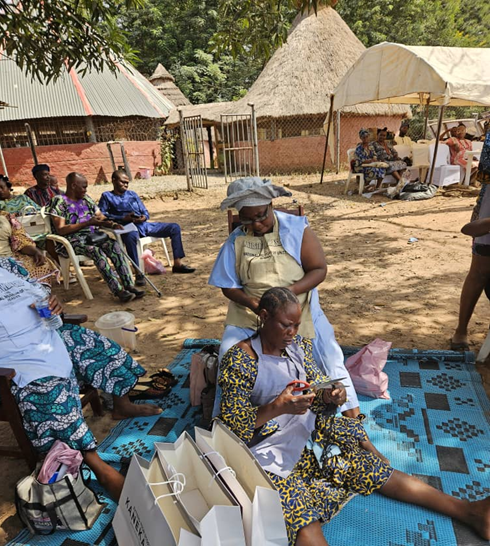
The story of modern African hairstyles isn’t complete without recognizing the craftsmanship of our indigenous women, who gave a voice to identity, spirituality, and history beyond just beauty. Therefore, protecting both tangible and intangible cultural heritage related to “hair matters” is crucial for the future of the Unity Museum in Ibadan.