
A Journey into the Past: A Day at Stonehenge and Salisbury
Written by Esra Bideci Turk, Archaeologist, Ephesus Museum (Türkiye, ITP 2026)
Hello everyone!
My name is Esra, and I work as an archaeologist at Ephesus Museum. This summer, I am at the British Museum as part of the ITP 2026 group. I am also preparing to celebrate the 20th year of my museum career, which began in 2006, together with the ITP programme.
At the same time, this programme gives me the opportunity to reflect on what these twenty years of experience have taught me and which areas I can continue to improve professionally.
In the 1800s, John Turtle Wood began archaeological excavations at the Temple of Artemis in Ephesus on behalf of the British Museum. In a way, this history connects our stories. Coming directly from Ephesus, I feel as if I am walking along traces that were left in the past.
Today was excursion day!
Our first two weeks of the programme passed very quickly and were full of activity. We learned new things, shared our knowledge, discussed ideas together, worked in different departments and developed joint projects. In the end, we really deserved this trip!
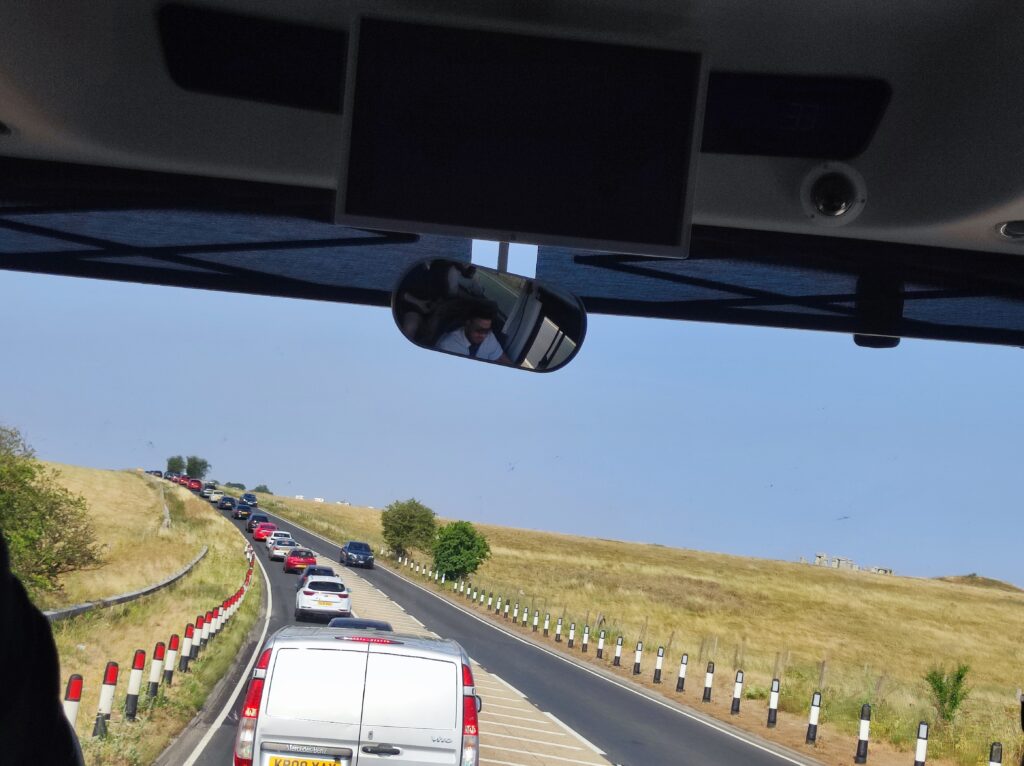
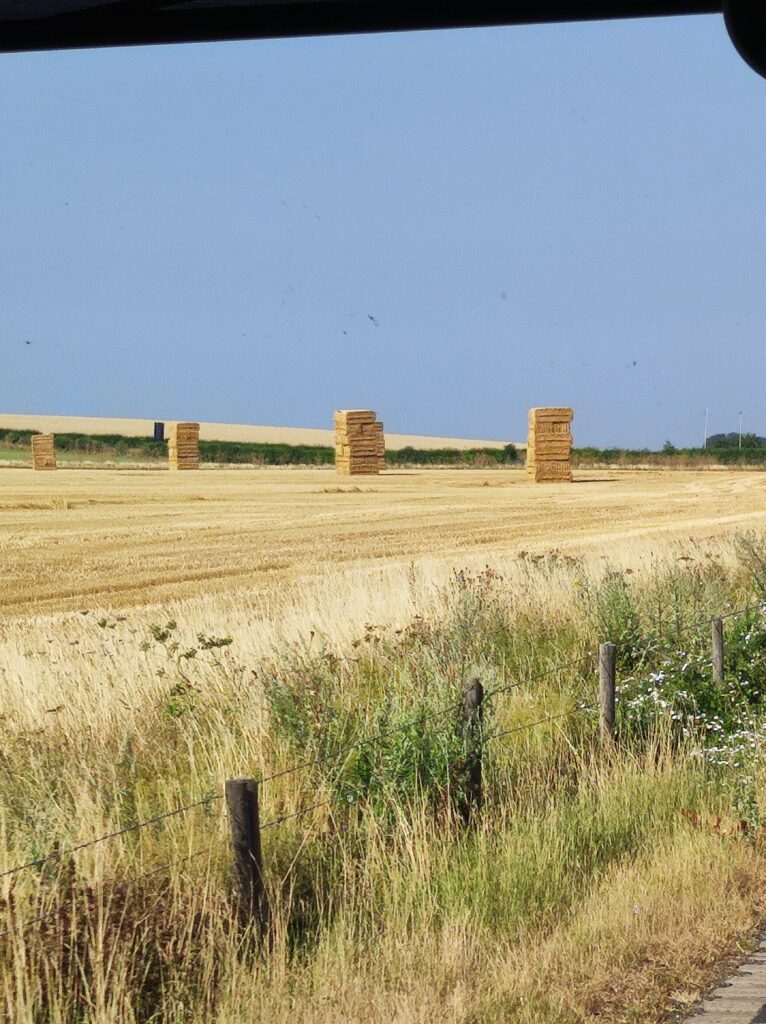
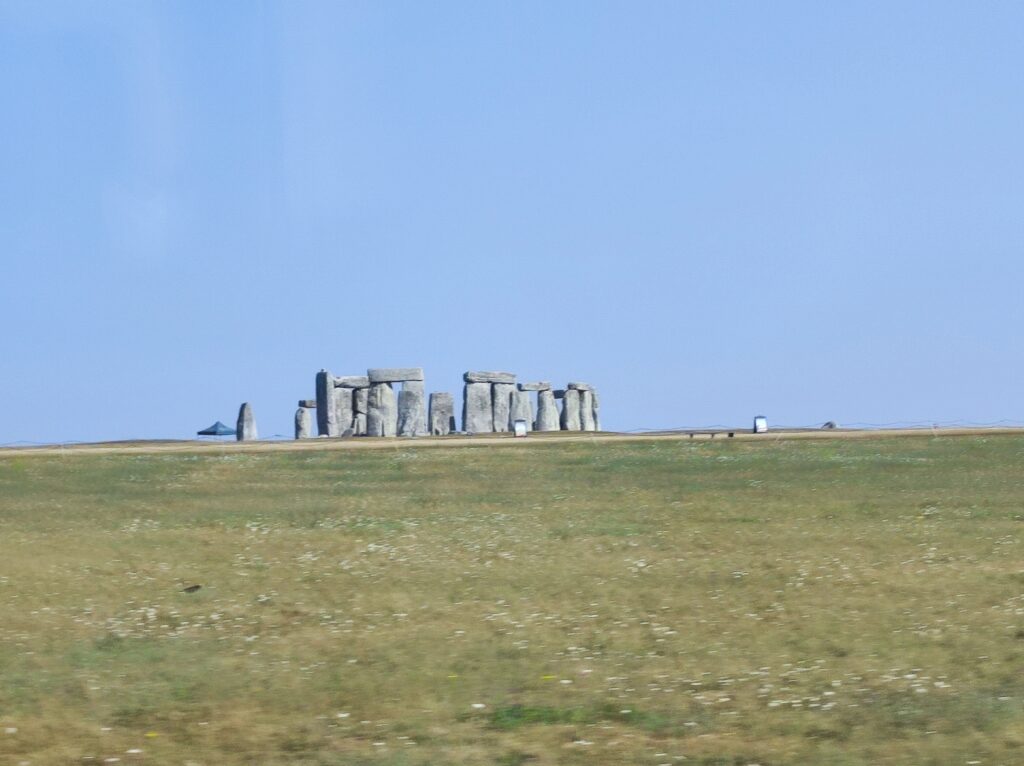
Our day started early. The programme included a visit to Stonehenge, a visit to Salisbury Museum and participation in the Festival of Archaeology. We knew that a long day was waiting for us, but we had no idea what kind of experience we were about to have.
After a bus journey of around two hours, we arrived at Stonehenge. Even before we reached the site, we could see this magnificent monument rising towards the sky through the bus window.
On one side, there were golden wheat fields, and on the other, green landscapes stretching as far as the eye could see. Colourful wildflowers, a clear blue sky and the meeting of yellow and green created a feeling of infinity. The whole landscape seemed to be writing a pastoral poem.
This view reminded me of Herodotus’ words about the Ionian cities being founded under the most beautiful sky and in the finest climate known on earth. Here too, a magnificent monument had been built thousands of years ago, facing the sun.
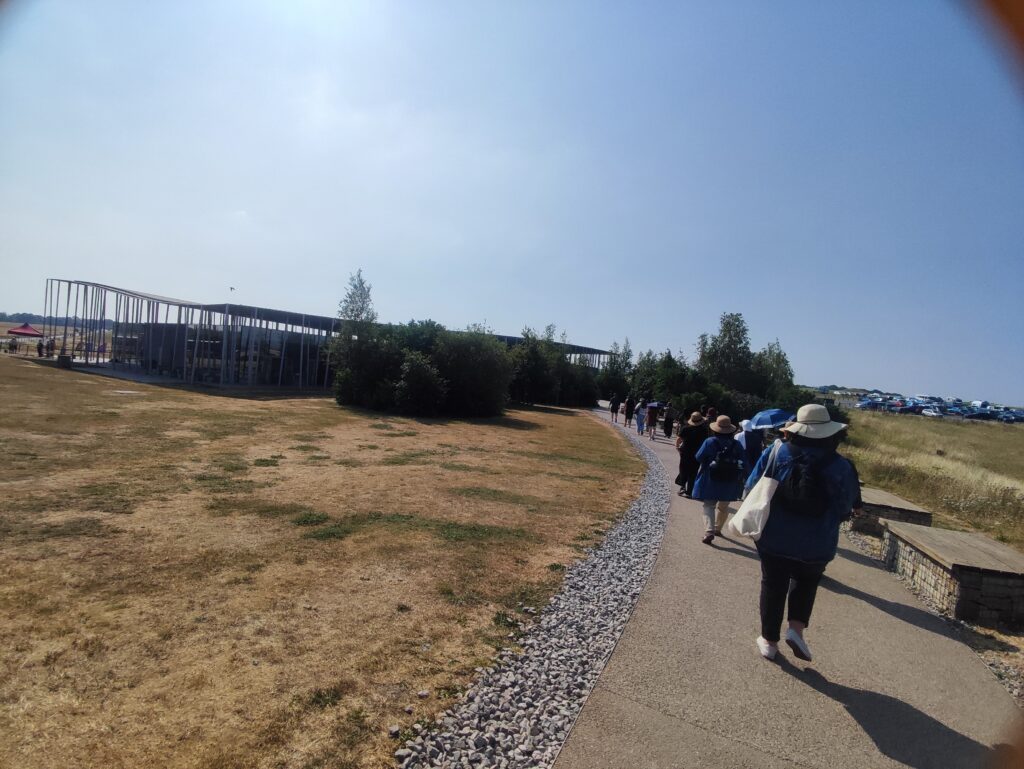
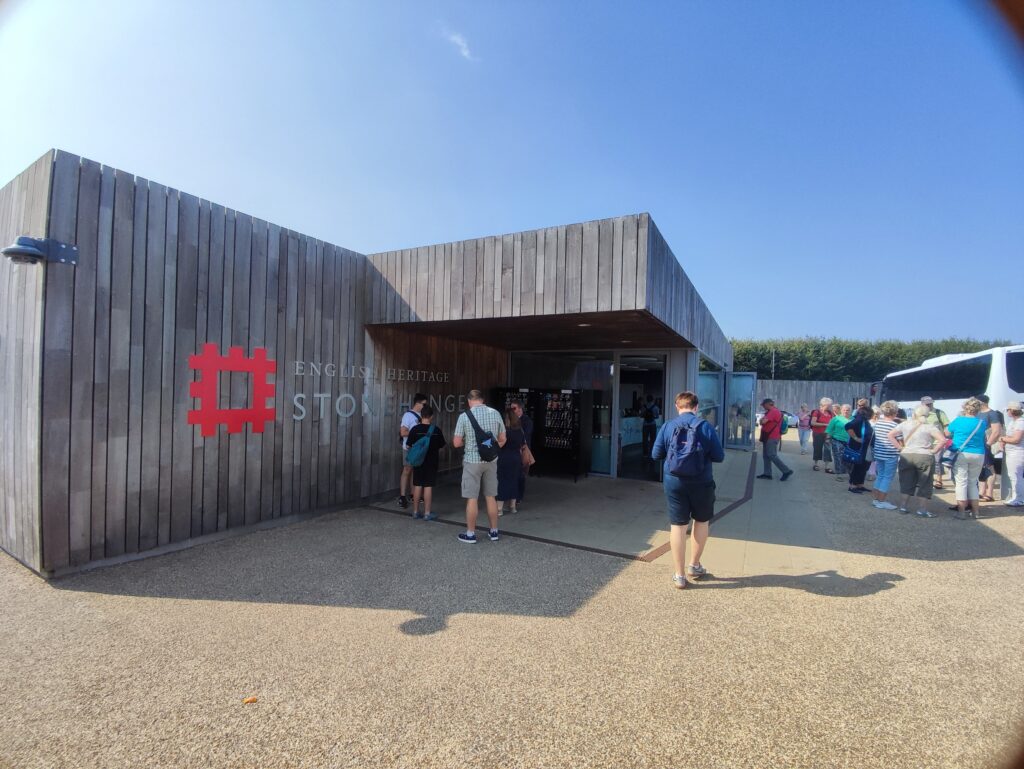
Although there was a long queue of vehicles on the road, we did not encounter a chaotic parking area when we arrived. I was impressed by how respectfully and harmoniously the visitor facilities had been designed in relation to both the cultural heritage site and the natural environment.
Natural stone, wood and wood-like surfaces had been used in the landscaping, visitor routes and reception centre. This created a strong visual harmony with the site. Direction signs, information panels and the exhibition in the visitor centre also made it easier to understand Stonehenge and its surrounding landscape.
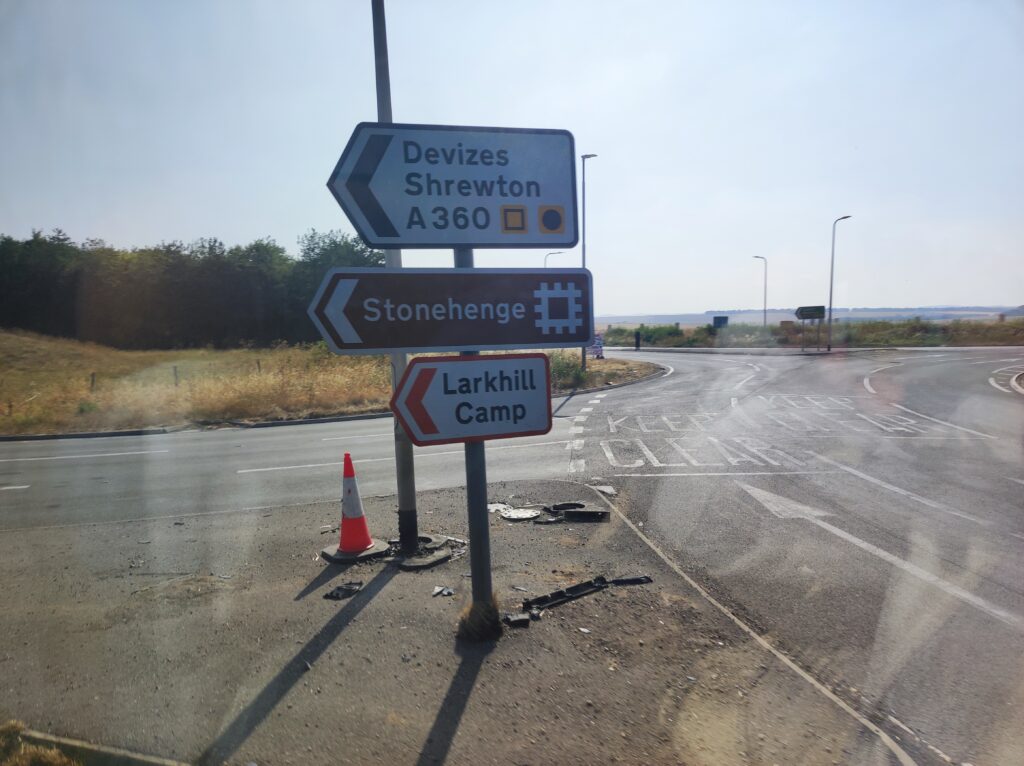
As we left the visitor centre and continued towards the monument, we came across a reconstruction of a Neolithic village. These houses, built using traditional techniques and materials, were very interesting. They also provided a valuable learning space, especially for students.
Opposite the houses, there was also an area where children could play different games. Families could spend time there together, helping children develop a stronger connection with Stonehenge. In this way, the experience also contributed to the sustainability of cultural heritage.
I believe that educational spaces like these are very important for helping children develop an awareness of cultural heritage protection from an early age.
As the ITP group, we chose to walk to Stonehenge. I have always loved being out in the field, and we had plenty of energy!
Walking through the countryside in the fresh air was very enjoyable for all of us. As we followed the paths, we passed between trees and saw sheep and lambs that sometimes seemed to greet us and sometimes completely ignored us. The colourful wildflowers also lifted our spirits.
With every step, we came closer to Stonehenge, and as we saw the burial mounds around us, we felt as if we were travelling back to the Neolithic period.
Stonehenge is considered one of the most famous prehistoric monuments in the world. It was built in several stages. The first monument was created around 5,000 years ago, while the unique stone circle was erected during the Late Neolithic period, around 2500 BC. During the Early Bronze Age, many burial mounds were also built in the surrounding area. (https://www.english-heritage.org.uk/visit/places/stonehenge/history-and-stories/history/)
After our visit to Stonehenge, we attended the Festival of Archaeology, which was held in the garden of Salisbury Museum.
There, we encountered stalls prepared by volunteers dressed in historical costumes, taking us on a journey through different periods of the past. We saw tools used in the production of manuscripts, early medical instruments, games played with stones and a soldier wearing armour.
There were archaeological information activities, workshops and even a demonstration of ancient food preparation. A special excavation area had also been created for children. I greatly admired the care taken in planning the programme and the enthusiasm of the volunteers.
Although Salisbury Museum is a local museum, it displays very important finds representing a wide range of historical periods. Its historic atmosphere also makes the museum experience even more impressive.
The museum is located in the King’s House, a Grade I listed historic building opposite Salisbury Cathedral. (https://salisburymuseum.org.uk)
At the end of the day, we completed our visit beneath the impressive presence of Salisbury Cathedral. On the journey back to London, most of us had already fallen asleep on the bus.
We had shared an enjoyable day, an educational visit and an unforgettable experience.
Thank you very much for this wonderful day!