Museum Learning: Connecting People, Objects, and Communities
Written by Mohamed El-Sayed Beltagy, Curator, Kafr El-Sheikh Museum (Egypt, ITP 2026)
Museum learning has become one of the most important functions of modern museums. Today, museums are no longer places that only collect and display objects. They have developed into educational and cultural spaces where people can learn, explore, and engage with heritage in meaningful ways. The learning department plays a key role in connecting museum collections with different audiences through programmes that encourage curiosity, critical thinking, and lifelong learning.
Audience-Centred Learning
Successful museum learning begins with understanding the needs of visitors. Educational programmes are designed for different audiences, including school students, young people, families, teachers, researchers, and adult learners. These programmes can be adapted to suit different ages and learning objectives. Digital learning has also become an important part of museum education, allowing schools that cannot visit because of distance or logistical challenges to access virtual sessions, downloadable resources, and online activities. This approach helps museums build strong relationships with their audiences and maintain engagement beyond a single visit.
Object-Based and Community Learning
Museum objects are at the centre of the learning experience. Rather than being viewed only as exhibition pieces, they are used to tell stories and explain different aspects of history, culture, religion, technology, and everyday life. A single object can present many perspectives depending on the educational message being delivered. This approach encourages visitors to ask questions, discover new ideas, and challenge common misconceptions while ensuring that educational activities are carefully balanced with the protection of museum collections.
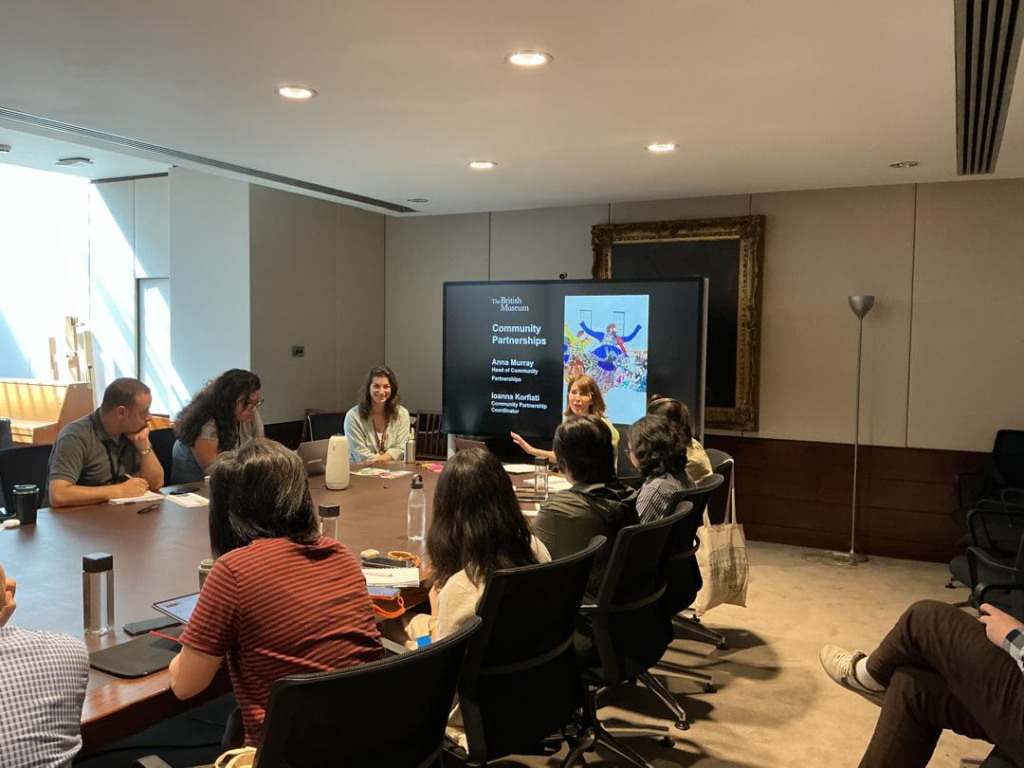
Learning also extends beyond the museum through partnerships with schools, universities, and community organizations. Working together with curators and other museum departments helps transform collections into accessible knowledge and connects museum themes with local communities and contemporary issues.
Volunteers and Digital Transformation
Volunteer programmes are an essential part of museum learning. Volunteers support educational activities, exhibitions, visitor services, and community events while developing valuable personal and professional skills. More importantly, they bring museums to life by creating welcoming and engaging experiences for visitors and supporting almost every aspect of museum activity.
Digital technologies have further expanded the impact of museum learning. Online resources, virtual workshops, and interactive platforms make museum knowledge available to people regardless of location. By combining people, objects, communities, and technology, museum learning creates inclusive educational experiences that strengthen the relationship between museums and society and ensure that cultural heritage remains relevant for future generations.