
Beyond the Caves: Gaining International Museum Experience & Reconnecting with Dunhuang
Written by Yan Wenxi, Librarian, Information Centre for Dunhuang Studies, Dunhuang Academy (China, ITP 2026)
My name is Yan Wenxi, I work at the Information Center for Dunhuang Studies, Dunhuang Academy. I feel incredibly fortunate to take part in the ITP. Now entering the third week of my training, I’ve stepped outside my familiar world of Dunhuang grottoes to fully immerse myself in the operational frameworks of world-leading international museum. Every day brings fresh knowledge and broadened professional horizons, truly proving that the wider your perspective, the more you learn.
My work at the Dunhuang Academy mainly focuses on Dunhuang murals and Silk Road cultural exchange. I have little knowledge of overall museum operations. Our institutional structure and operational logic are different from the British Museum, so I learn something new and useful every day.
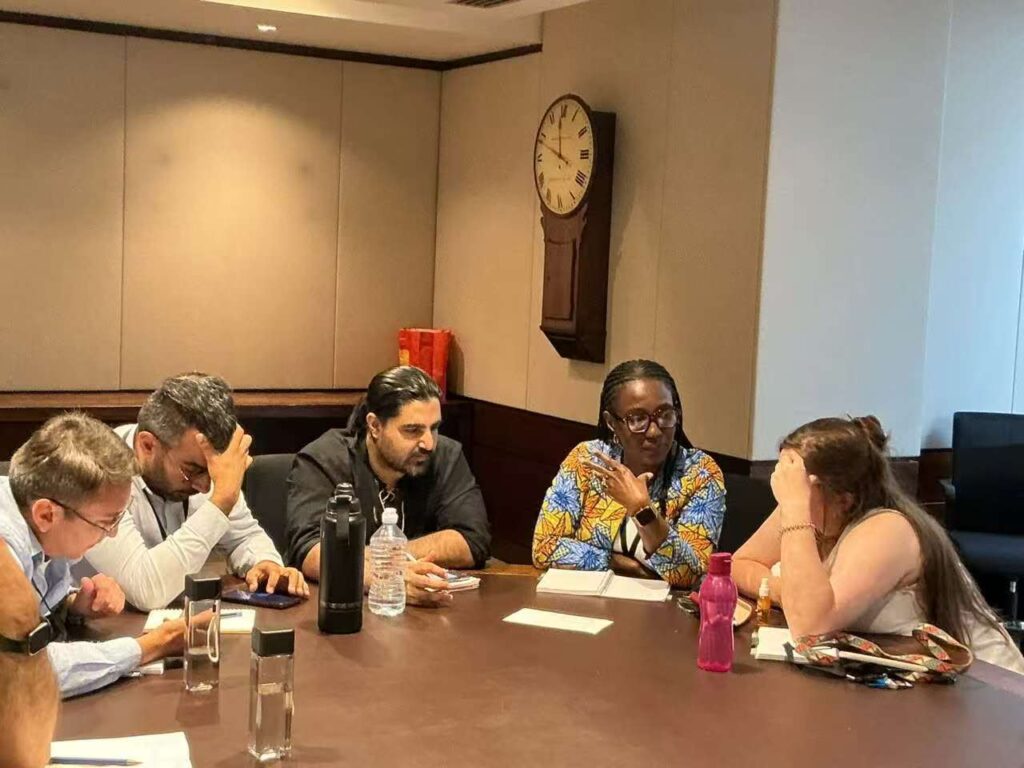
Today’s sessions are exhibition project management, fundraising and membership schemes, opening up an entirely new dimension of museum operations for me. I once assumed curators bore sole responsibility for pulling together a successful exhibition, yet I’ve now learned that compelling cultural displays rely on seamless cross-departmental collaboration rather than individual effort. Teams are split into specialised roles covering project coordination, resource liaison, risk assessment and on-site delivery, consulting closely to resolve every potential hurdle at every stage. During group case study discussions, participants from museums worldwide shared insights tailored to their institutions. Their diverse problem-solving approaches offered me brand-new frames of reference for my future work.
The museum’s multi-stream fundraising strategy was particularly eye-opening. It maintains sustainable operations through diverse revenue streams including private donations, legacies, themed charity events and cross-brand partnerships. Iconic initiatives such as the Bayeux Tapestry special exhibition, the Tudor Heart Jewel fundraising appeal and annual charity galas demonstrate how curating compelling stories behind artefacts can spark public support. By blending online and offline engagement to mobilise widespread community involvement, the institution safeguards its priceless collections while expanding the reach of cultural storytelling — a model that stands in stark contrast to the Dunhuang Academy’s practices and offers plenty to reflect on.
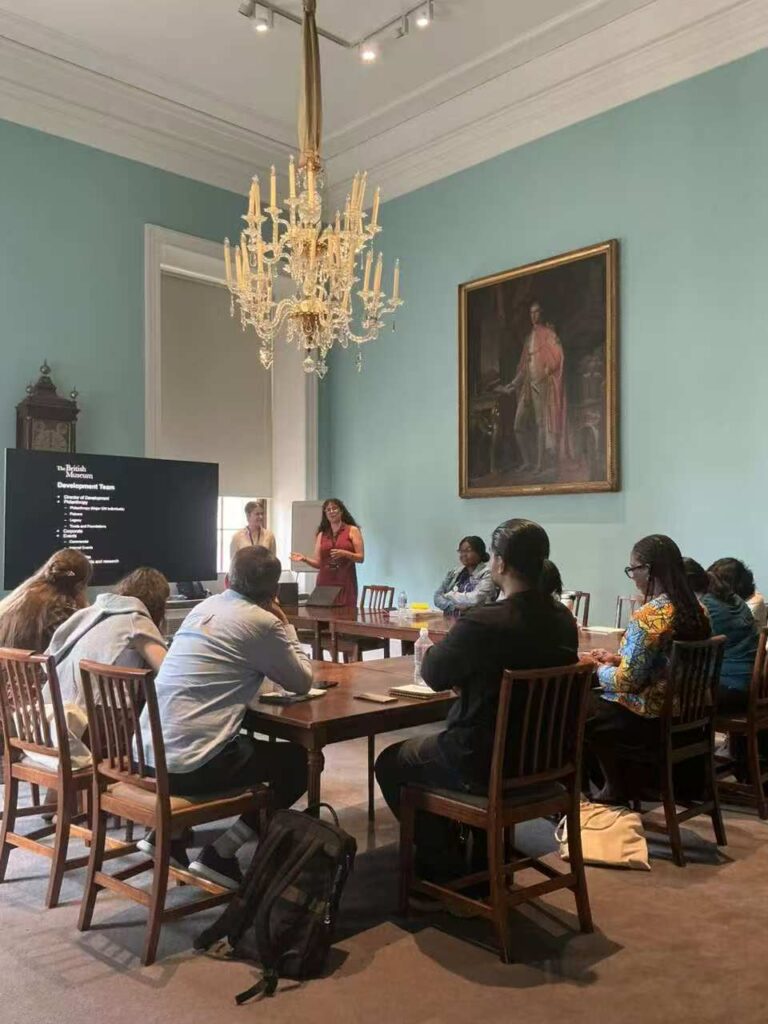
The membership system highlighted striking differences between our two institutions. The British Museum leverages its well-established membership programme to cultivate loyal audiences and fund its daily operations. However, this model is not viable for the Dunhuang Academy. Our grottoes are a UNESCO World Heritage Site, where murals and painted sculptures are extremely vulnerable to damage from visitor volume and environmental changes. Conservation always comes first, and strict visitor capacity limits mean membership schemes are incompatible with our preservation and public access mission. This contrast drove home a key lesson: museum work must always adapt to local conditions.
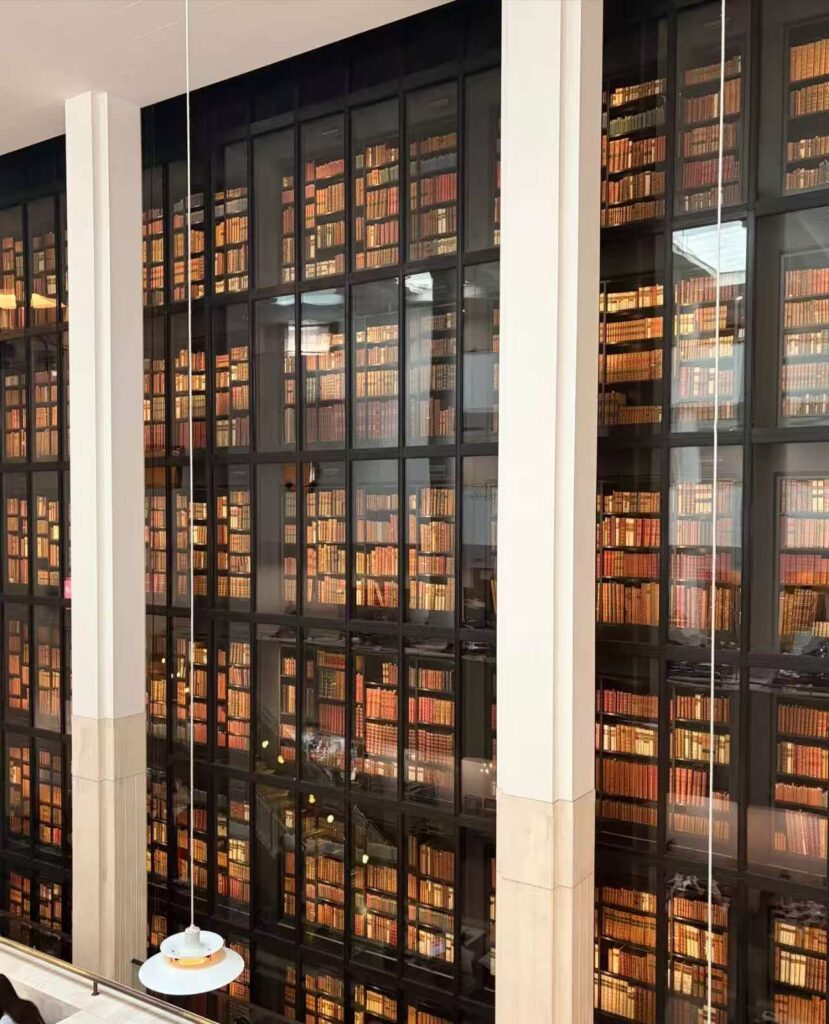
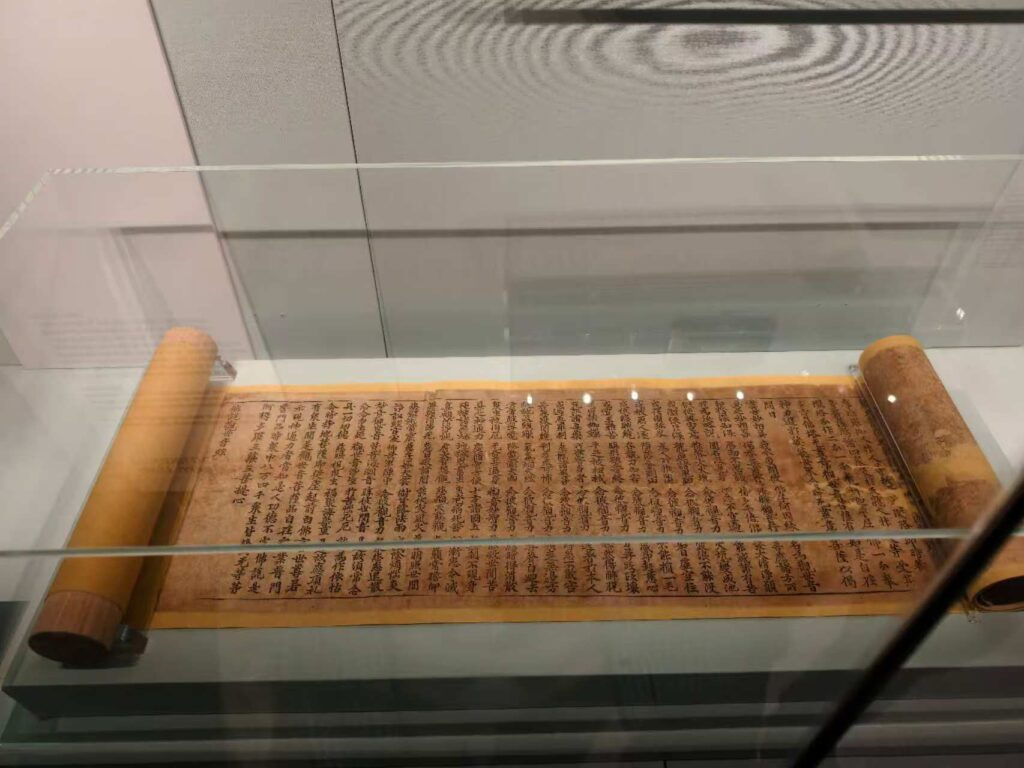
The highlight of the day was an afternoon trip to the British Library. Opened in 1998, its distinctive ship-shaped building blends striking architectural design with thoughtful, people-centred amenities: naturally lit reading rooms, ergonomic seating and futuristic automated book delivery systems. Most meaningfully, I met the team of International Dunhuang Project (IDP) and gained an in-depth understanding of their specialised division of labour. As a key partner of the Dunhuang Academy, the British Library and our institute draw on our respective strengths to share digitised manuscripts from the Dunhuang Library Cave and co-develop the Digital Library Cave platform.
Every session learned and every meaningful encounter contributes to my professional growth.