
China Through My Eyes: Reflections from an International Seminar on Museum Management Capacity Building
Written by Marwa Mahmoud, Head of Registration, Collection Management and Documentation, The Egyptian Museum Cairo (Egypt, ITP 2012)
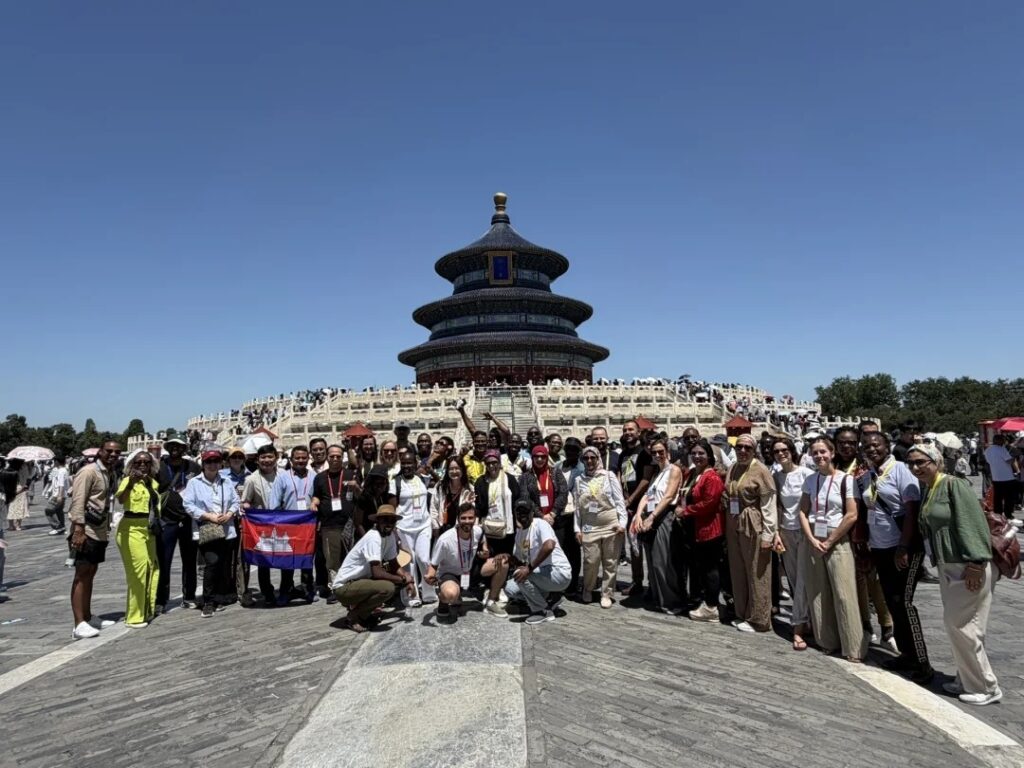
Participating in the International Seminar on Museum Management Capacity Building for Developing Countries provided me with a unique opportunity to gain an in-depth understanding of China’s museum sector, cultural heritage management, and museum development strategies. Through a combination of academic lectures, professional discussions, and field visits across Beijing and Fujian Province, I was able to explore how museums in China contribute to cultural preservation, education, community engagement, and sustainable development.
The program brought together museum and heritage professionals from nine countries—Bulgaria, South Africa, Moldova, Kenya, Fiji, Rwanda, Romania, Egypt, and Cambodia—providing a valuable platform for cross-cultural learning, networking, and the exchange of ideas and best practices in museum management and heritage preservation.
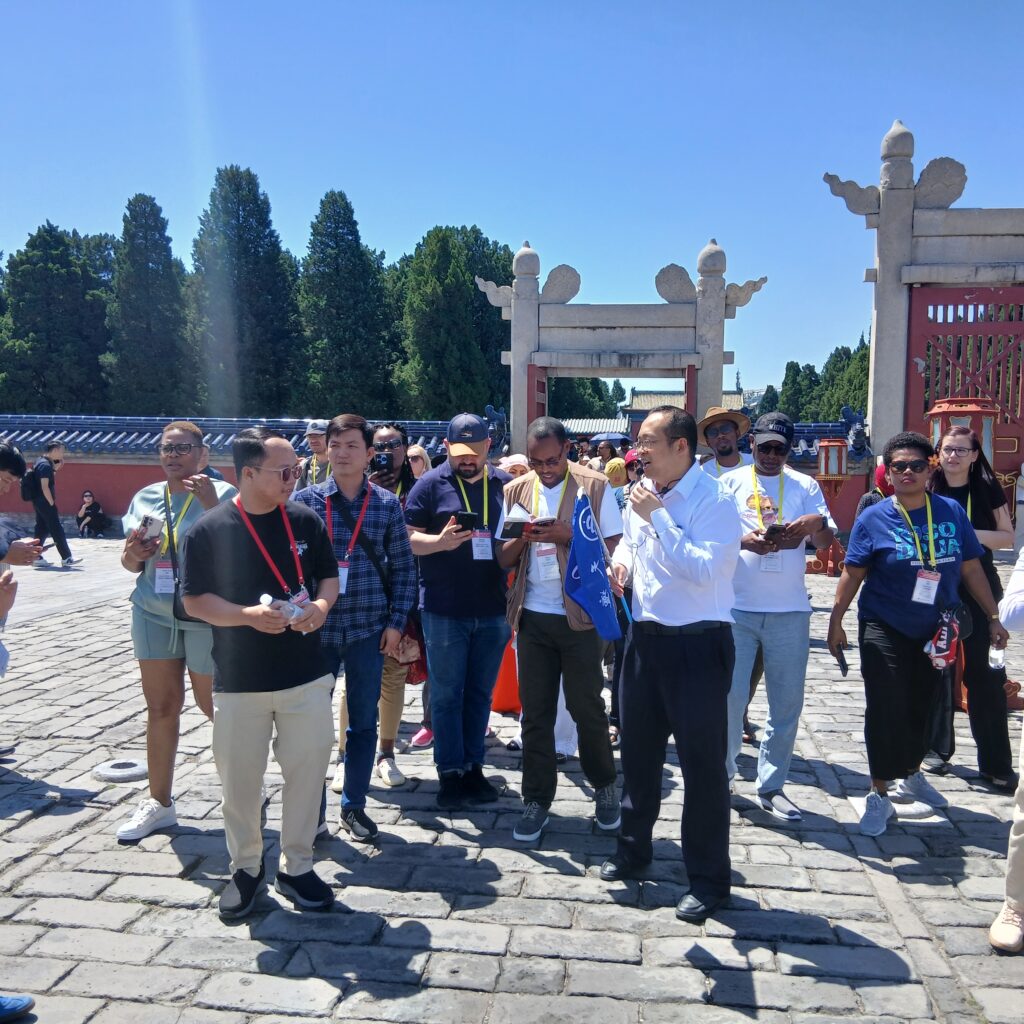
The seminar offered a comprehensive overview of museum policies, regulations, and management practices in China, as well as the country’s experience in developing digital museums and smart museum initiatives. I also attended lectures on exhibition planning and museum display techniques, heritage revitalization, and the role of museums in public education. Particular attention was given to the educational and social functions of museums through case studies of the National Museum of China, while the digital transformation of museums was illustrated through the experience of the National Museum and Natural History of China.
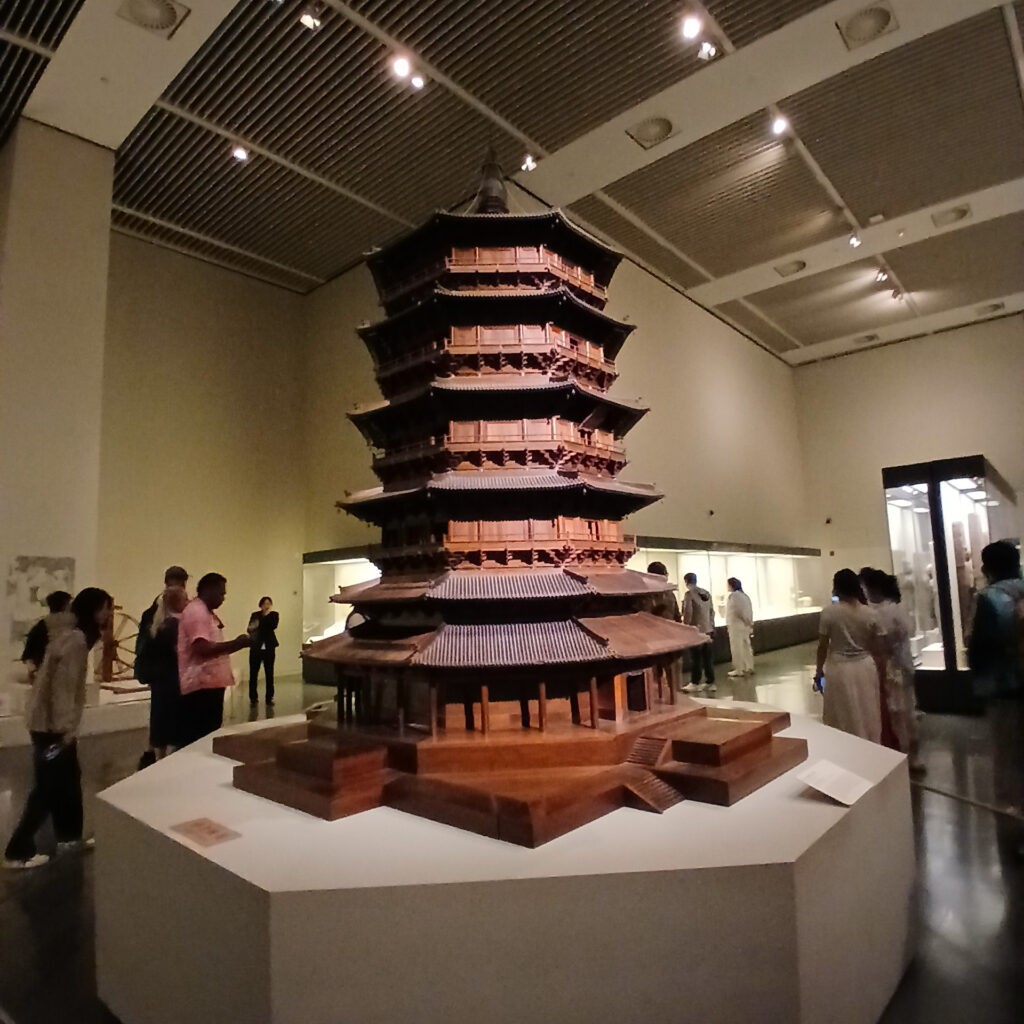
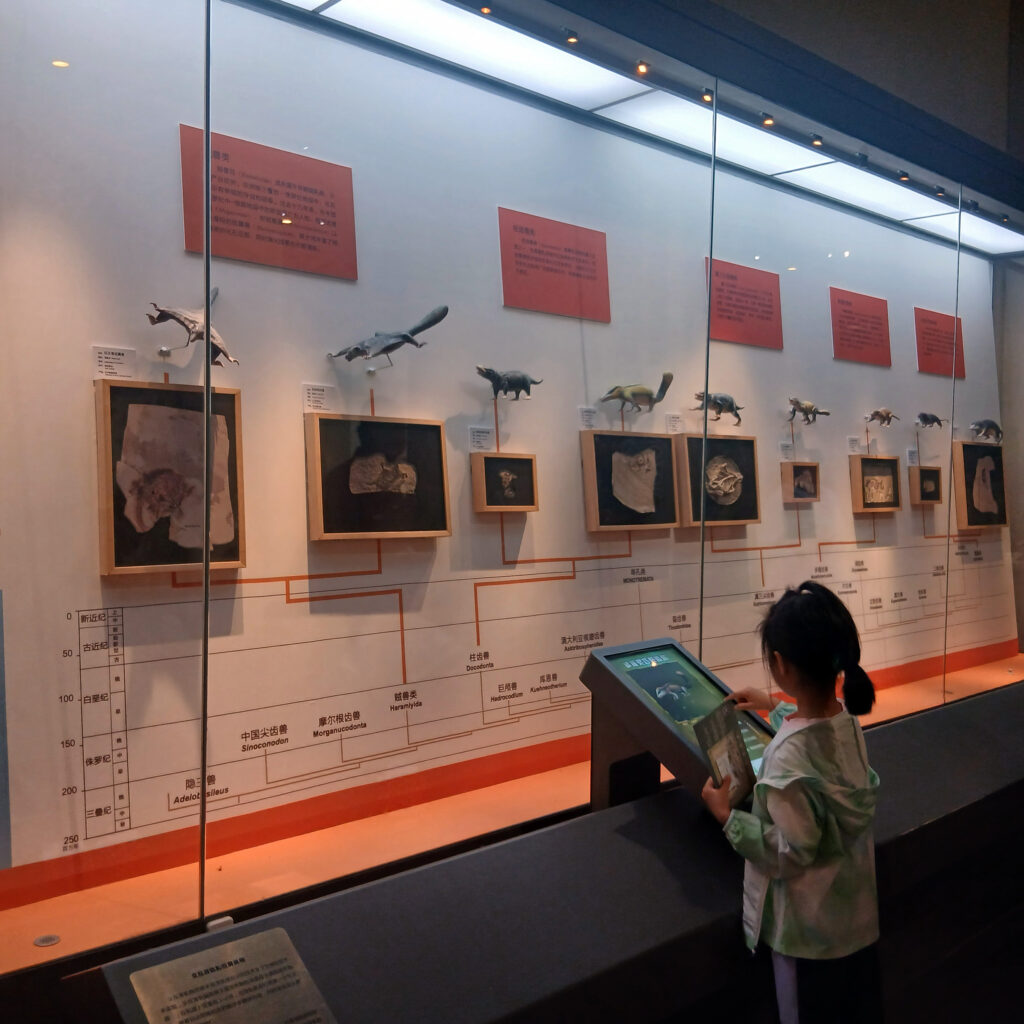
One of the most valuable aspects of the program was learning about China’s museum management model. Through lectures and discussions, I gained insight into how museums operate within a state-led framework that combines government oversight with professional museum management. The program highlighted the mechanisms of strategic planning, institutional management, funding structures, and performance evaluation that support the development of China’s museum sector.
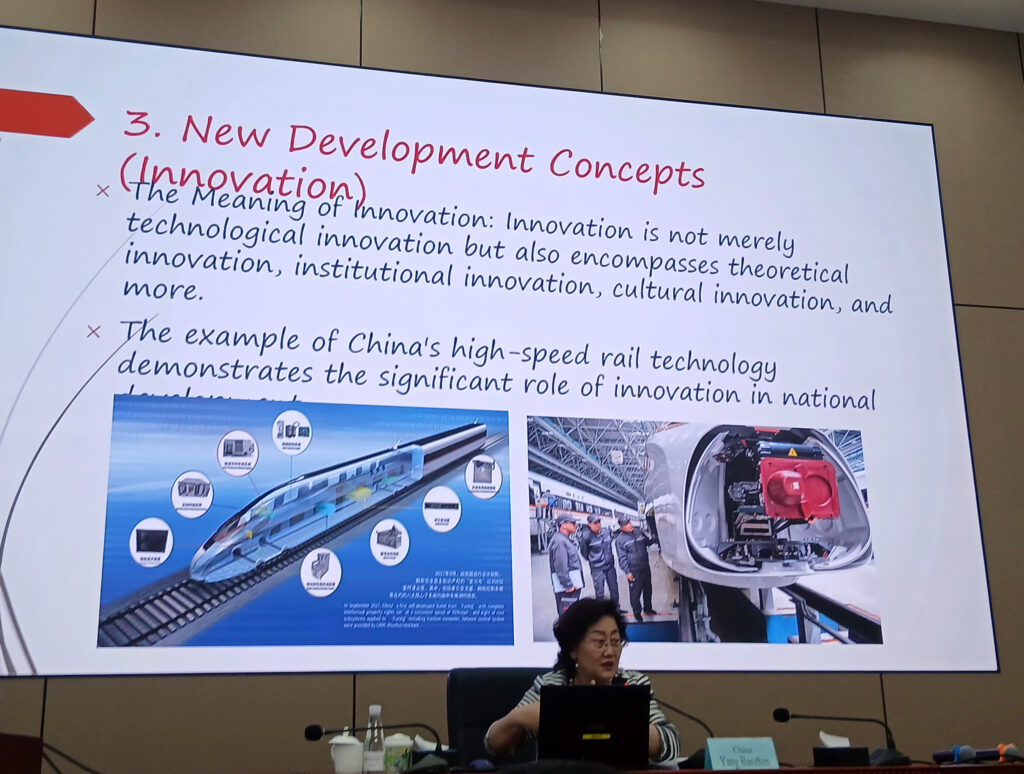
The seminar also explored the growing role of digital technologies in museum practice. I learned about initiatives related to collection digitization, smart museum development, and the use of technology to enhance visitor experiences and broaden public access to cultural heritage. Case studies from the Palace Museum and other leading institutions demonstrated how digital innovation can strengthen interpretation, education, and audience engagement.
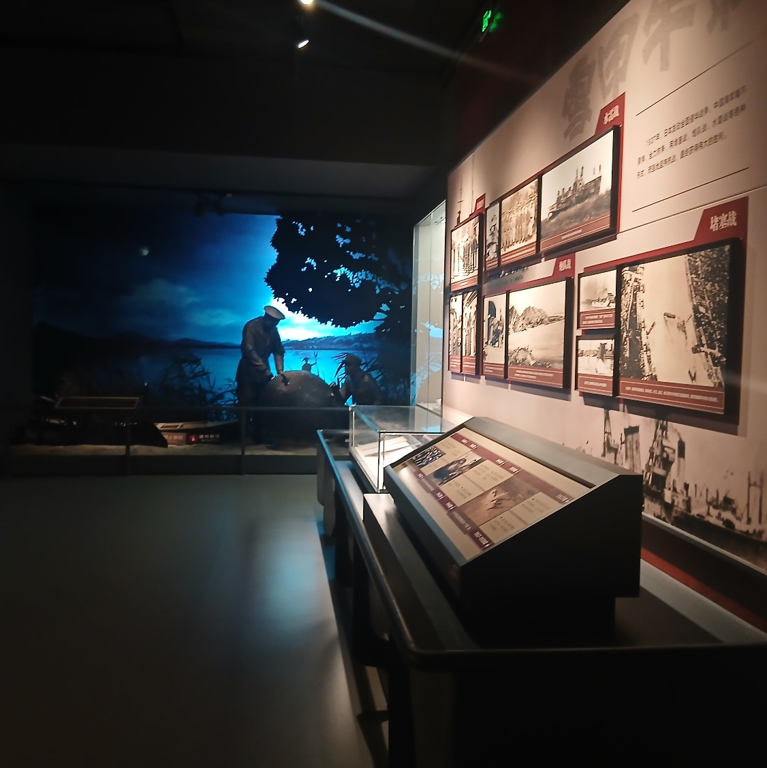
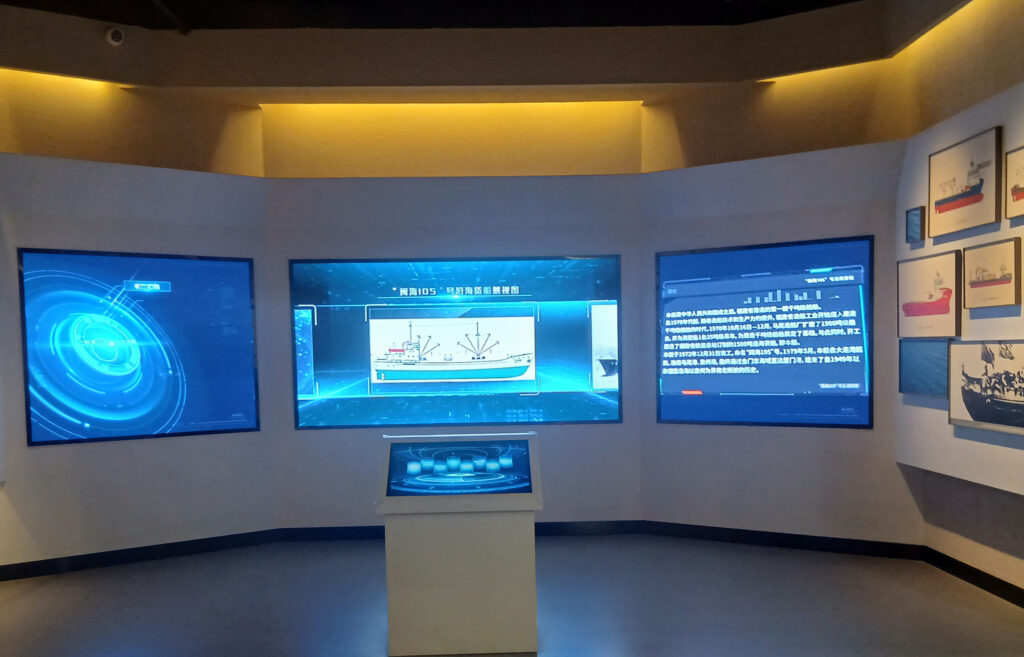
Beyond the classroom, field visits provided valuable practical insights. In Beijing, I visited the Museum of Foochow Arsenal 1866, both of which offered inspiring examples of museum management, exhibition design, and public programming. I also had the opportunity to visit two of China’s most iconic heritage sites—the Temple of Heaven and the Juyongguan section of the Great Wall—where I witnessed the country’s commitment to preserving and presenting its cultural heritage.
A particularly enriching component of the program was the four-day study visit to Fujian Province. There, I explored a range of cultural and museum institutions, including the Foochow Arsenal, Fujian Museum, the Sanfang Qixiang Historical and Cultural Block, the China Underwater Archaeology Pingtan Exhibition and Experience Hall, and the Keqiutou Site Museum. These visits provided firsthand exposure to different approaches to heritage interpretation, archaeological presentation, museum education, and cultural tourism development. A night cruise on the Minjiang River also offered a memorable perspective on the region’s cultural landscape.
The program further enriched my understanding of Chinese culture through activities such as a traditional Chinese tea culture experience. These cultural encounters highlighted the importance of integrating tangible and intangible heritage into museum and educational practices.
Another important lesson was the significance of collaboration among museums, universities, research institutions, and technology companies. The Chinese experience demonstrated how partnerships can support research, digitization projects, exhibition development, and innovation within the museum sector. At the same time, the program encouraged critical reflection on challenges facing museums, including reliance on government funding and disparities in resources between institutions in different regions.
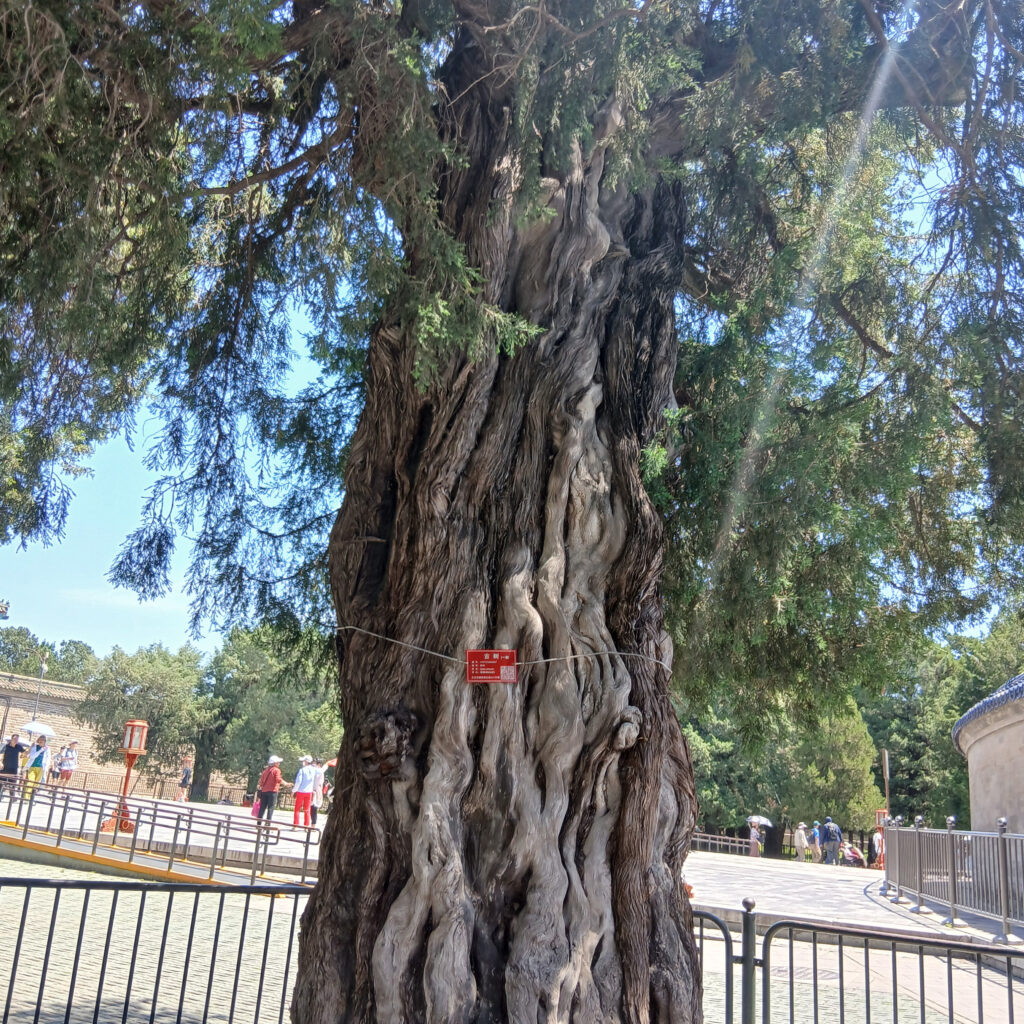
What remained most memorable to me from the organized field visits during the seminar was the way trees were documented as part of the preservation of natural heritage. I was particularly impressed by the systematic numbering of trees, the identification of their ages, and the use of red and black color-coded labels for classification and documentation purposes.
Another distinctive aspect of the experience was that the accommodation during the training was located within the Central Academy of Culture and Tourism Administration. The academy’s gardens featured specially designed stones that produced musical sounds, giving the landscape a unique cultural and heritage character. This thoughtful integration of nature, heritage, and artistic elements created a memorable atmosphere that reflected China’s appreciation of both cultural and natural heritage.
Overall, this seminar significantly broadened my understanding of museum governance, heritage management, digital transformation, and public engagement in China. The combination of theoretical learning and practical experience provided valuable knowledge and inspiration that I hope to adapt and apply in my own work in museum collection management and cultural heritage preservation. The experience not only enhanced my professional skills but also deepened my appreciation of China’s rich cultural heritage and its evolving museum landscape.