
Senior Fellow’s reflections on ITP 2026: A Journey of Relearning and Building Global Connections in Museums and Heritage.
Written by Dora Jok, Senior Fellow of ITP 2026 (Malaysia, ITP 2016)
As the International Training Programme (ITP) closes its chapter for 2026, I look back on my experience as a Senior Fellow with gratitude. It has been a journey of learning new knowledge, reinforcing familiar practices and building connections with museums and heritage professionals.
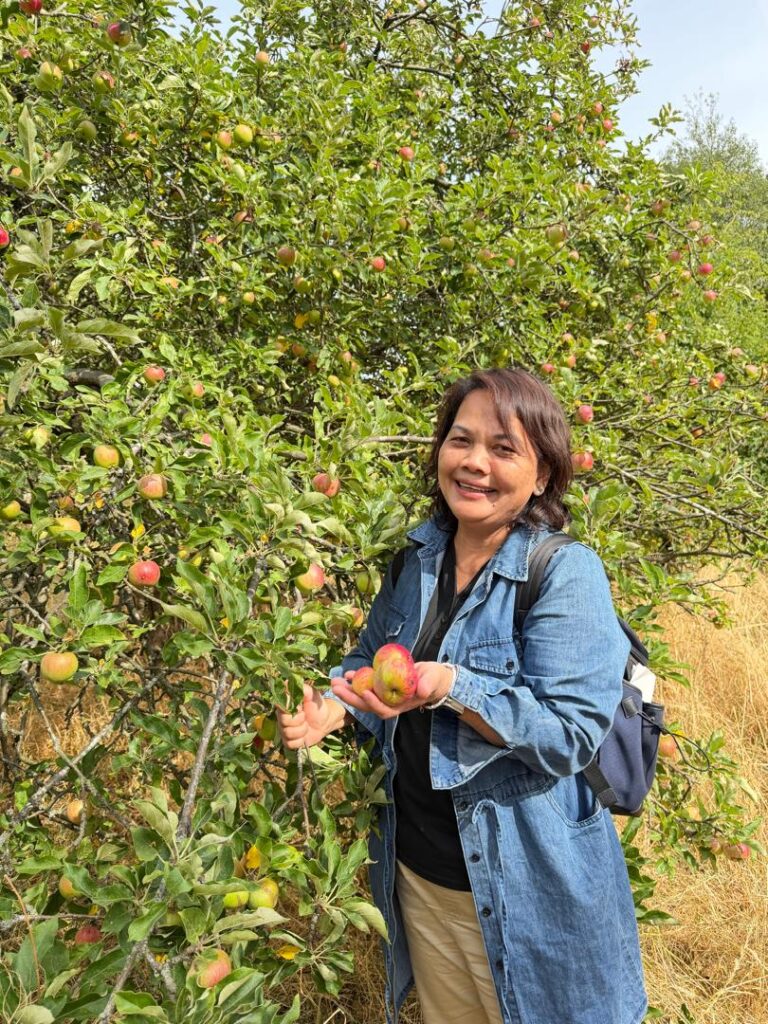
From day one, the programme transitioned smoothly between lectures, workshops, and targeted site visits. Visits to V&A East Storehouse, Young V&A, Stonehenge, Knole, the British Museum’s Archaeological Research Centre and the Wellcome Collection showed us the role of storage in preventive conservation and highlighted that custodianship of museum collections begins long before objects reach the exhibition gallery. These visits also provided us important lessons into the role of museums in promoting workplace wellbeing, mental health awareness and environmental responsibility. Visits to Knole and Stonehenge gave us perspective on heritage management of the historic sites and manor, and the roles of volunteers in supporting daily operations.
A ten-day placement with North East Museums, Newcastle, followed by placement at Lincoln Museum and University of Nottingham Museum provided a rewarding learning experience. Seeing ancient remains integrated into modern museum settings showed how museums can make the distant past accessible and meaningful to present-day audiences. In Lincoln, although I missed lectures and organised activities, Andrea and her colleagues were excellent hosts in Lincoln. They took us to visit the International Bomber Command Centre and, then to Sutton-on-Sea Beach where I saw offshore wind farms for the first time.
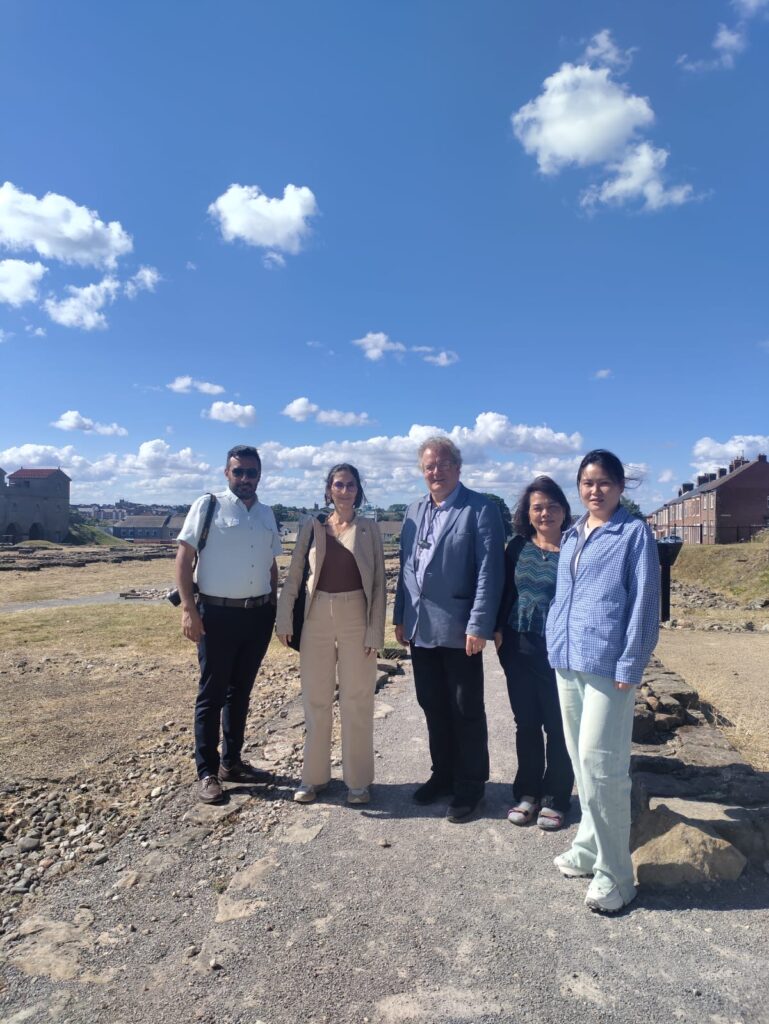
Our final placement at the University of Nottingham Museum included visits to the Manuscripts and Special Collections facility at King’s Meadow Campus and Nottingham Castle. Learning about the preservation of archives, rare books and historical records was enlightening. Nottingham Castle also revealed a history beyond its well-known connection to Robin Hood. Standing atop Castle Rock, Nottingham Castle reflects centuries of history, while the extensive cave systems hidden beneath the city gave me a learning about the cave construction. After a busy day, we unwind by the Highfields Park Boating Lake.
During this part of the programme, I also visited the Oriental Museum at Durham University to examine the objects originating from Sarawak, Malaysia. which provided a valuable cross-cultural perspective on the Bornean collection and created opportunities for networking.
Beyond the training itself, the people were the true heart of the fellowship. This year was particularly meaningful as we celebrated the 20th Anniversary of the ITP, honouring two decades of sharing knowledge, skills, experience and creating global museums and heritage professionals. It was inspiring to see how the ITP has grown from strength to strength, expanding from a handful of alumni to 415 fellows from 69 countries.
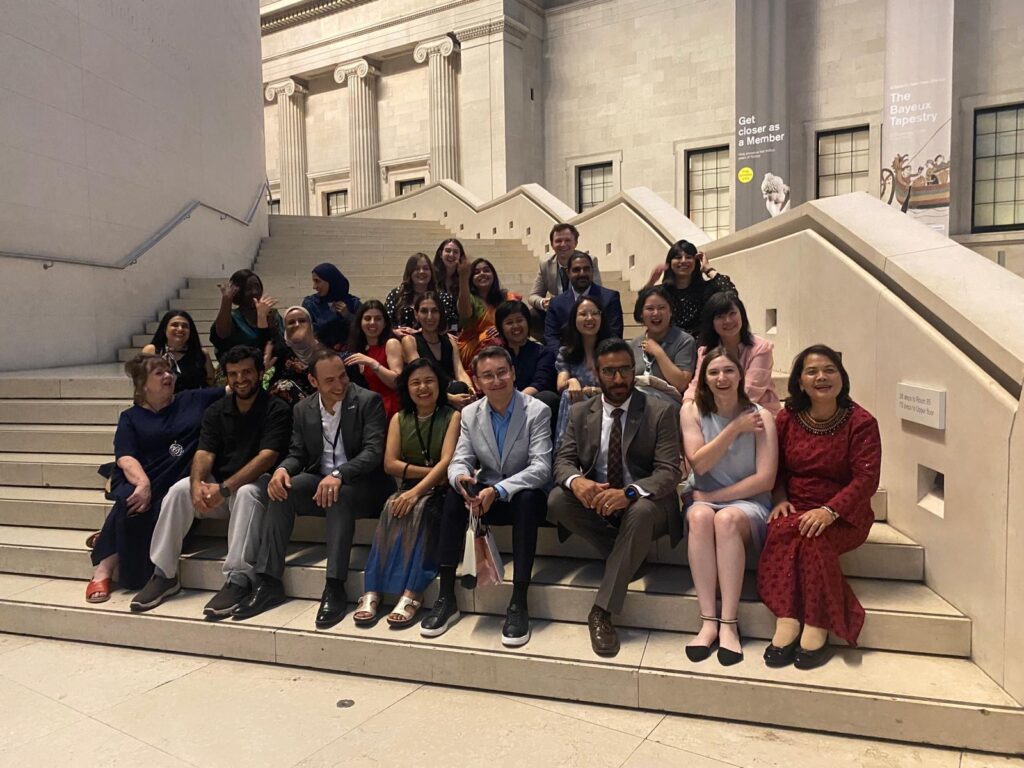
The programme concluded with a workshop on Museums of the Future with an emphasis on collaboration with communities and community engagement, followed by a farewell BBQ gathering.
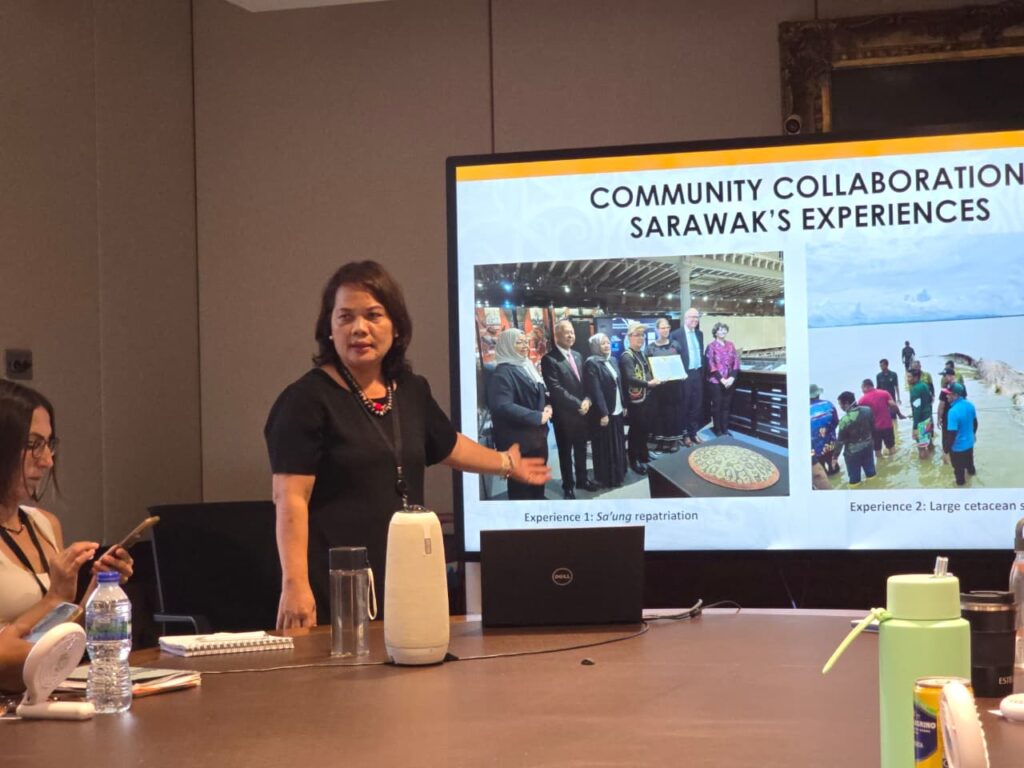
As I leave the programme, I do feel collegiality towards the ITP team with whom I worked closely throughout the fellowship. From the beginning, they welcomed me warmly, guided me in my roles and included me to departmental talks and meetings which deepened my insights of working at the British Museum. They are so dedicated, hardworking and committed to their work. My sincere thanks go to Claire, George, Amelia, and Caitlin for everything they have done and support. Managing a six-week programme with diverse characters and thousands of expectations from fellows is not an easy task, but they made ITP 2026 a rewarding and memorable experience for all of us. The lessons learned, friendships formed, and experiences will continue to influence my work in the future.
The fellowship also enhanced my professional development, raised my profile and increased the visibility of my institution within the international museum community. Further thanks are due to fellow participants and museum professionals who shared their knowledge and experiences. May ITP continue to serve as a bridge for sharing knowledge, skills, and experiences across borders, staying true to its mission since its inception in 2006.