
Cultural Heritage in Crisis: A Personal Reflection from Syria
Written by Hiba Assi, Curator of the Prehistory Museum, National Museum in Damascus (Syria, ITP 2026)
Hello! My name is Hiba Assi, and I am the Curator of the Prehistoric Museum at the National Museum of Damascus in Syria. Surely My love for this place (the museum) which has evidence of human history dating back more than 1.5 million years, has kept me here throughout the years, despite all the challenges and difficulties.
I still remember my joy when I received the email confirming my acceptance into the ITP. It meant I would be travelling to London a city steeped in history and, most importantly, to the British Museum, a place that had always held a special fascination for me. I knew this would be a unique opportunity to learn from experienced colleagues, gain new skills, and bring back valuable knowledge that would help us prepare for the reopening of our museum in Damascus after so many years of war.
On Friday, 10 July, our programme included a workshop on Culture in Crisis. The session began with Marcel Maree, who spoke about cultural property, the threats it faces, the UNESCO conventions, and the Circulating Artefacts (CirArt) project.
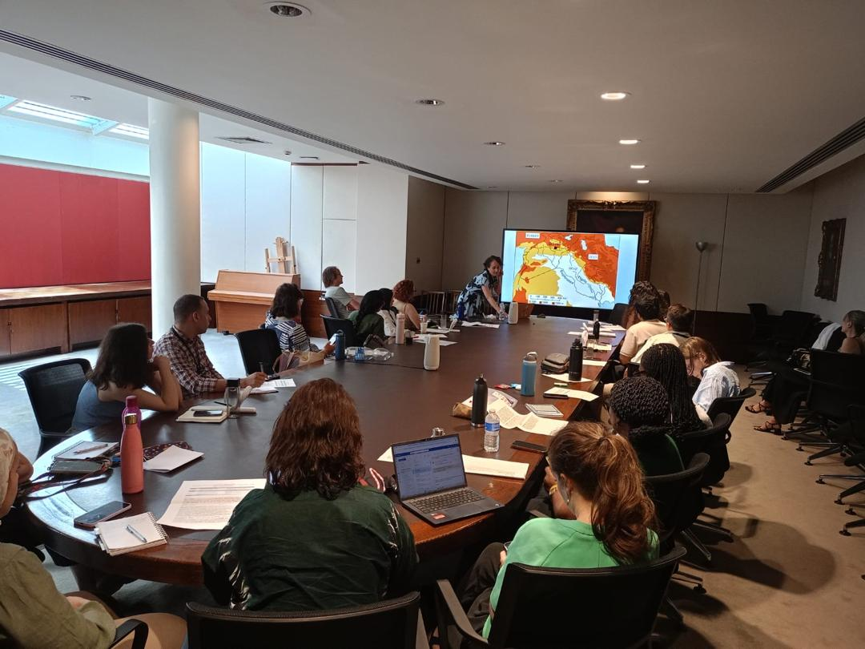
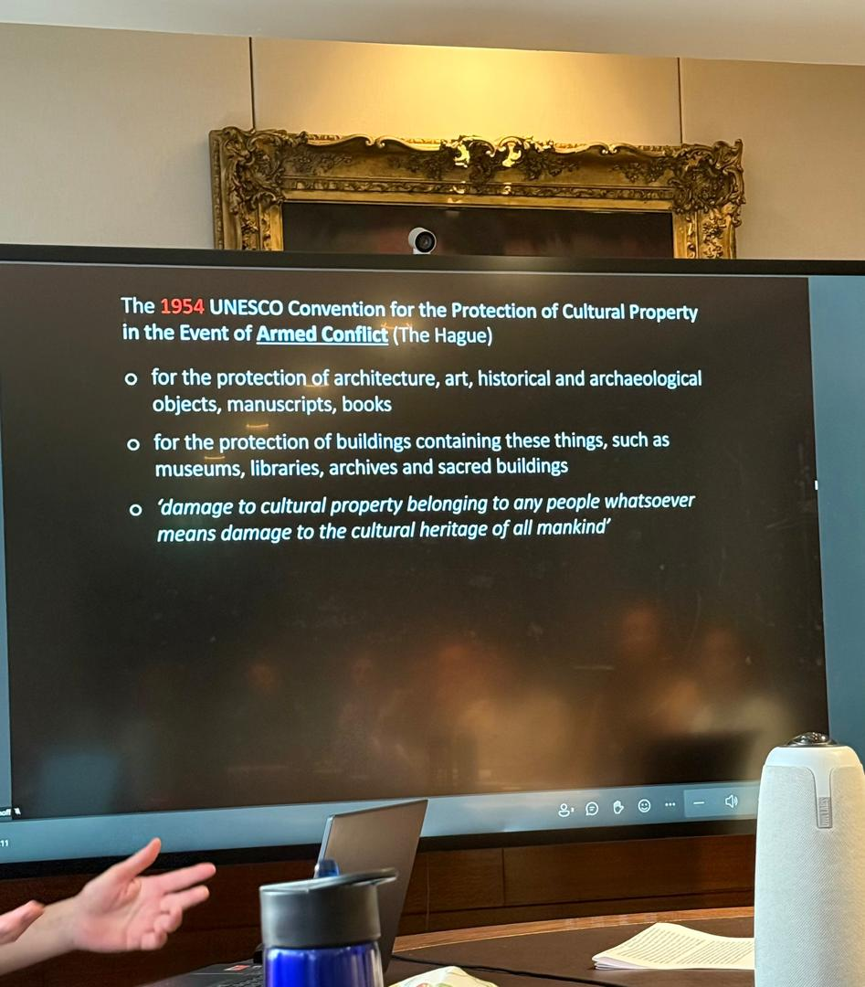
For me, the most inspiring message from this lecture was the principle expressed in the 1954 Hague Convention “Damage to cultural property belonging to any people whatsoever means damage to the cultural heritage of all mankind.” which indicates that cultural heritage unites people despite the differences in their countries and cultures. The protection of this historical treasures becomes the responsibility of all humanity, because every artefact that is destroyed does not only deprive one people of a part of their history, but also erases a part of the memory of humankind.
I was also deeply moved by the second session delivered by Olga Zagorodnia, who spoke about her country, Ukraine, and the great risks facing its museums and archaeological sites. She highlighted the significant sacrifices made by Ukrainian archaeologists in an attempt to save and protect their heritage.
In this session I found myself thinking deeply about my own country, Syria, which has been facing similar threats since 2011. I realised that, although every country has its own unique history and culture, the pain caused by the loss of cultural heritage is a feeling that can bring many peoples together.
Anyone in the world with a true sense of humanity would feel sadness and empathy when witnessing the destruction and loss of a part of another country’s culture and heritage. This was also the powerful message conveyed by Maria-Gabriella Micale in her lecture, where she spoke about the importance of Syrian heritage and Syria’s remarkable history as one of the oldest countries in the world. A land of ancient cities and kingdoms that have existed for thousands of years.
She also spoke about the contributions she made with many international organizations to help document and protect heritage during the war that began in 2011. This lecture had a profound impact on me, especially because we, as archaeologists in Syria, have become a much smaller community after many of our colleagues left the country. Those of us who remained have tried, throughout these past years, to work together with very limited resources to protect the cultural heritage of our homeland.
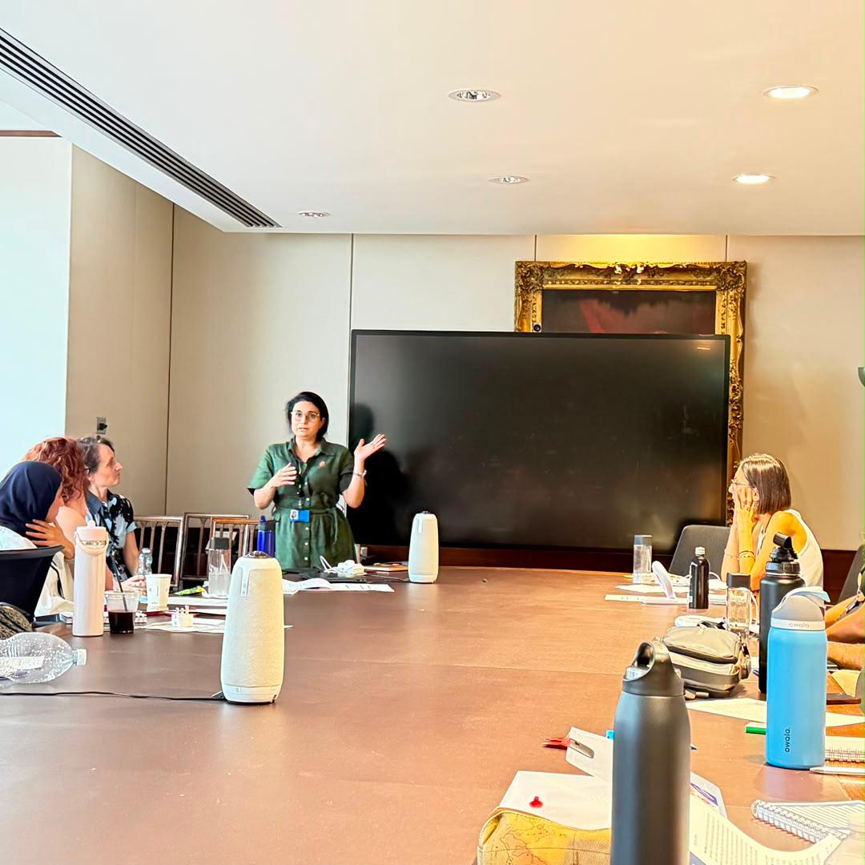
I was also very happy when the lecturers gave me the opportunity to share our experience at the Directorate General of Antiquities and Museums (DGAM), in protecting Syria’s cultural heritage and about the work we carried out including closing museums, moving archaeological objects to safe locations, documenting and packing collections, and maintaining continuous communication with local communities to protect archaeological sites and raise awareness that these sites represent the heritage of their ancestors.
It was a great opportunity to share my experience with my ITP colleagues, who have come from all around the world. Despite the diversity of our cultures and countries, we are all connected by our shared passion as archaeologists, museum professionals, and people dedicated to the preservation of cultural heritage.
Finally, I hope that peace will prevail in my country and everywhere in the world, and that we will be able to restore what has been damaged from our heritage and civilization, preserving it for future generations.