
When Heritage Meets Innovation: Reflections from AENT3
Written by Rasha Ali Attia, Curator and Head of Temporary Exhibition Department, Alexandria National Museum (Egypt, ITP 2011) and Heba Hassan Amer, Curator & Head of Education, Alexandria National Museum (Egypt, ITP 2024)
In May 2026, we had the opportunity to participate in the Ancient Egypt and New Technology 3 (AENT3) Conference, hosted by the Bibliotheca Alexandrina in Alexandria, Egypt. Bringing together researchers, museum professionals, archaeologists, and digital heritage specialists from around the world, the conference provided an inspiring platform for discussing how new technologies are transforming the study, preservation, and interpretation of Ancient Egyptian heritage.
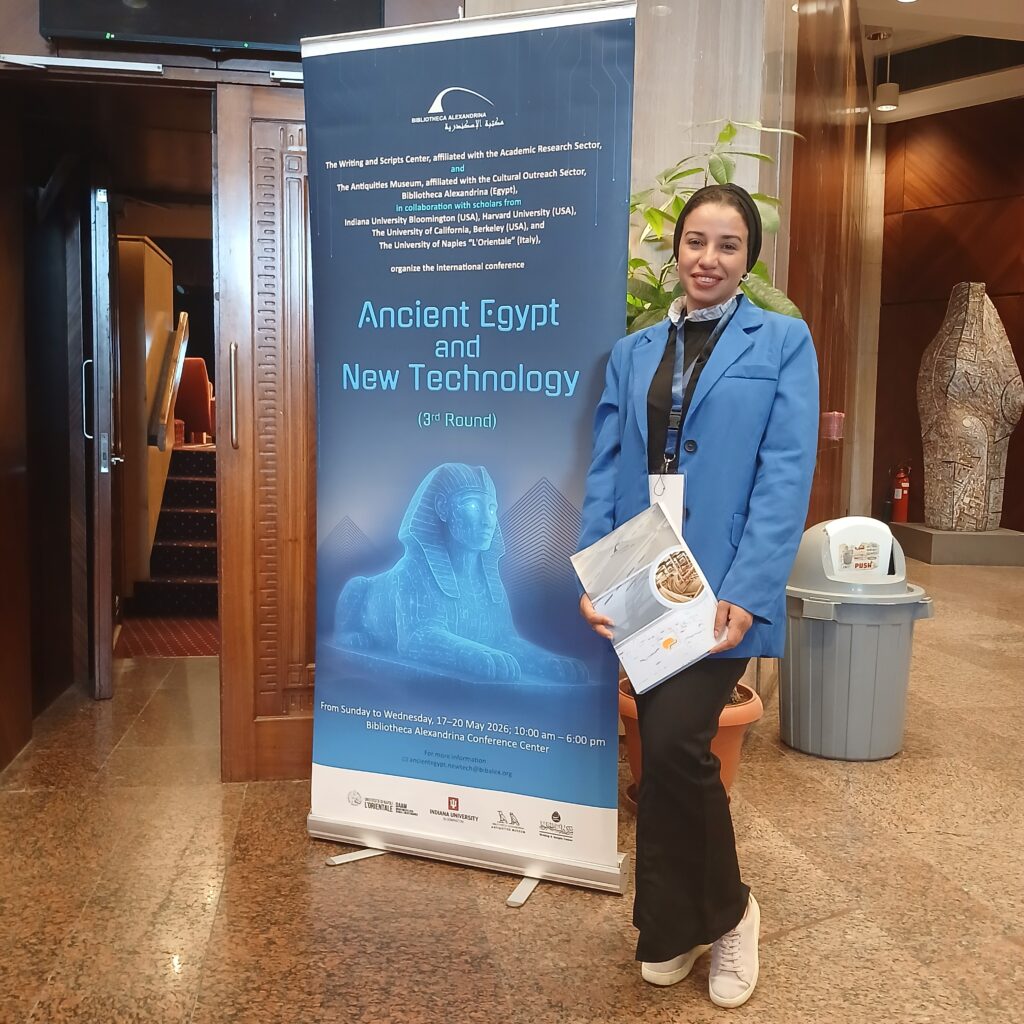
As members of the International Training Programme (ITP) network from different cohorts, attending AENT3 was a valuable opportunity to learn, exchange ideas, and connect with professionals working at the intersection of heritage and technology. It was also a chance to reconnect with colleagues and meet new professionals who share a commitment to museums, culture, and heritage.
One of the most exciting aspects of the conference was seeing how technology is increasingly being integrated into heritage work. From 3D documentation and virtual reconstruction to artificial intelligence and digital storytelling, the presentations demonstrated the many ways in which digital tools can support research, conservation, and public engagement.
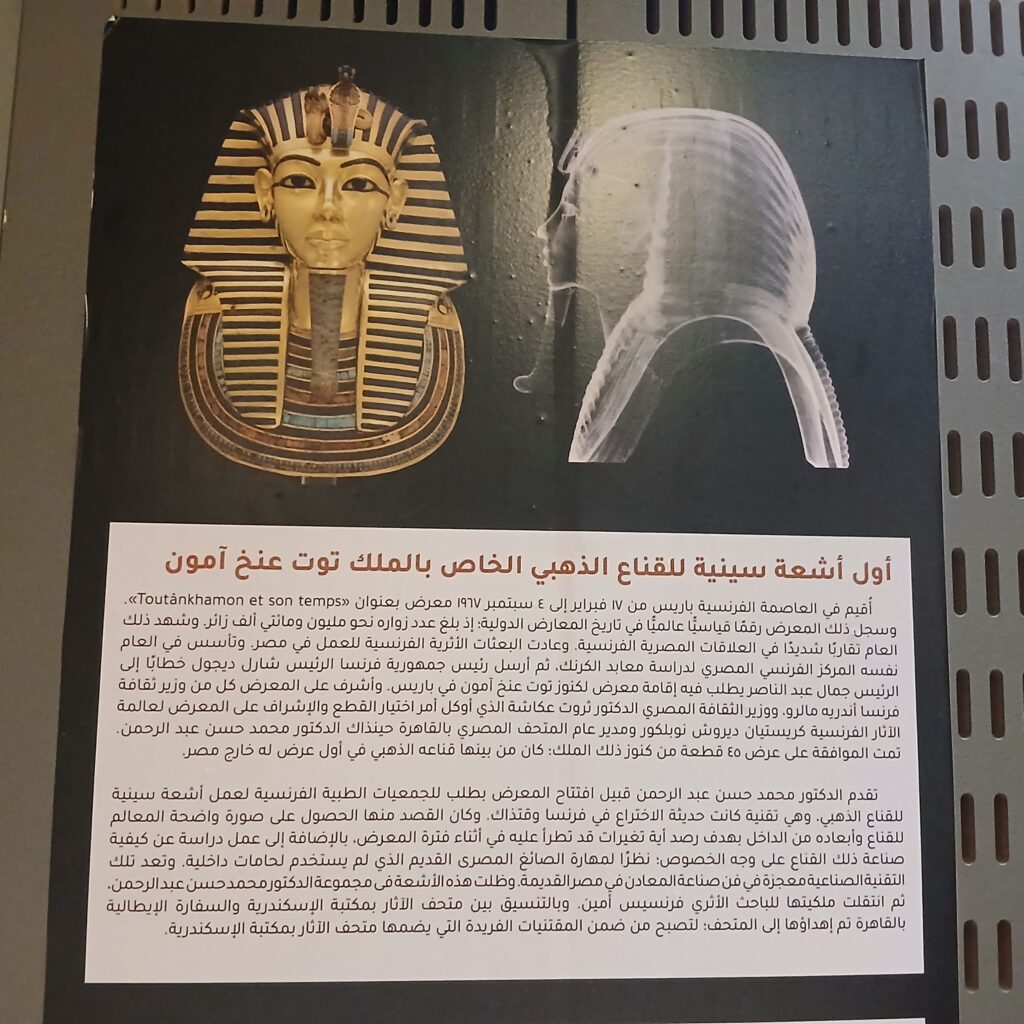
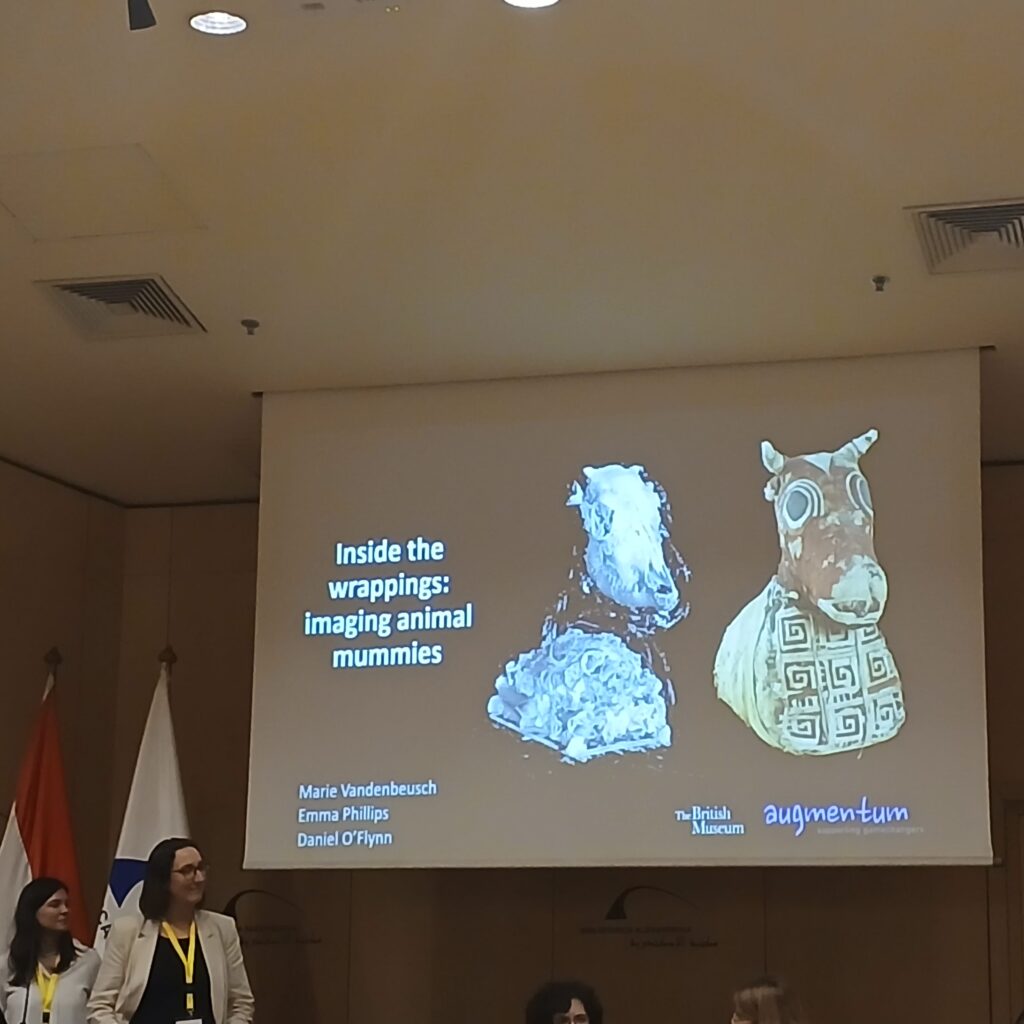
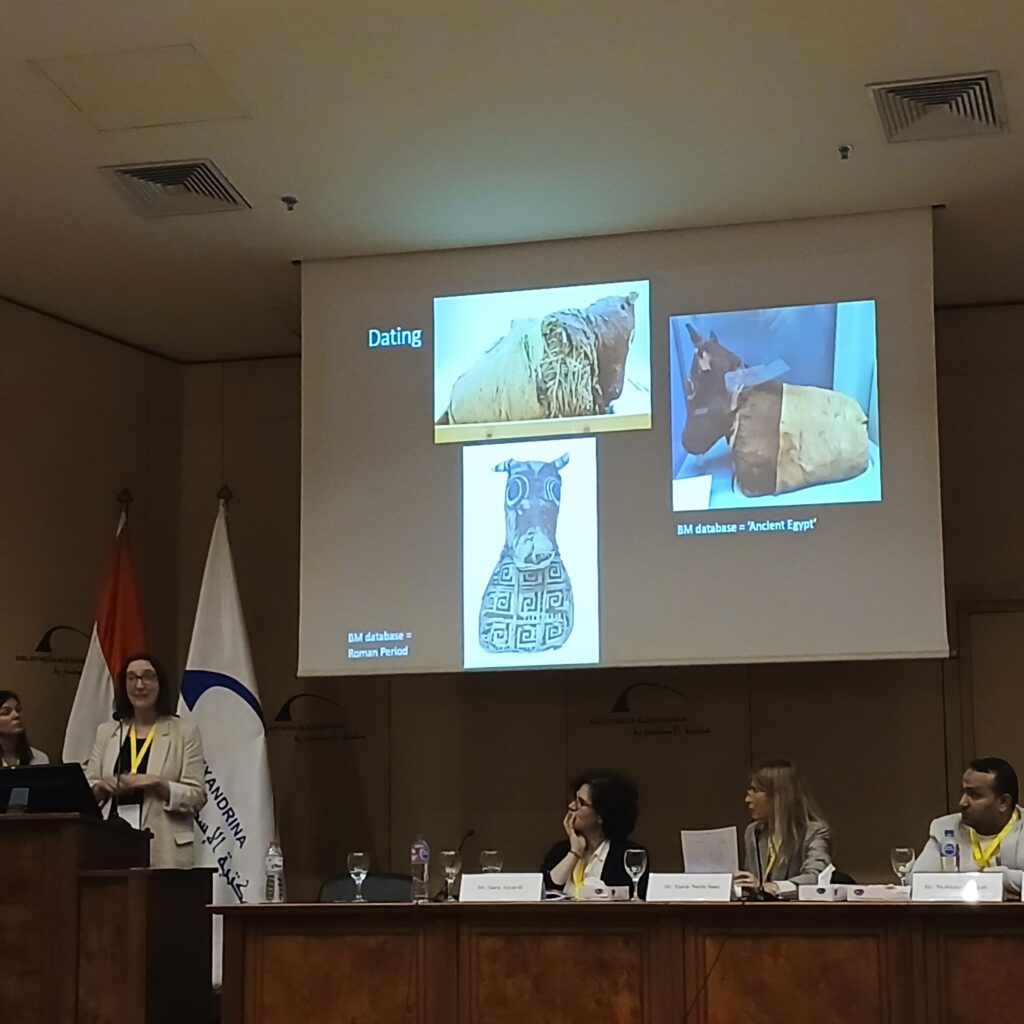
A particular highlight for us was a presentation by British Museum colleagues Marie Vandenbeusch, Emma Phillips, and Daniel O’Flynn on the study of animal mummies using advanced imaging technologies. Their work showed how techniques such as CT scanning and micro-CT can reveal what lies inside mummy wrappings without causing any damage to the objects. The session offered a fascinating example of how technology can help uncover new information while preserving the integrity of museum collections.
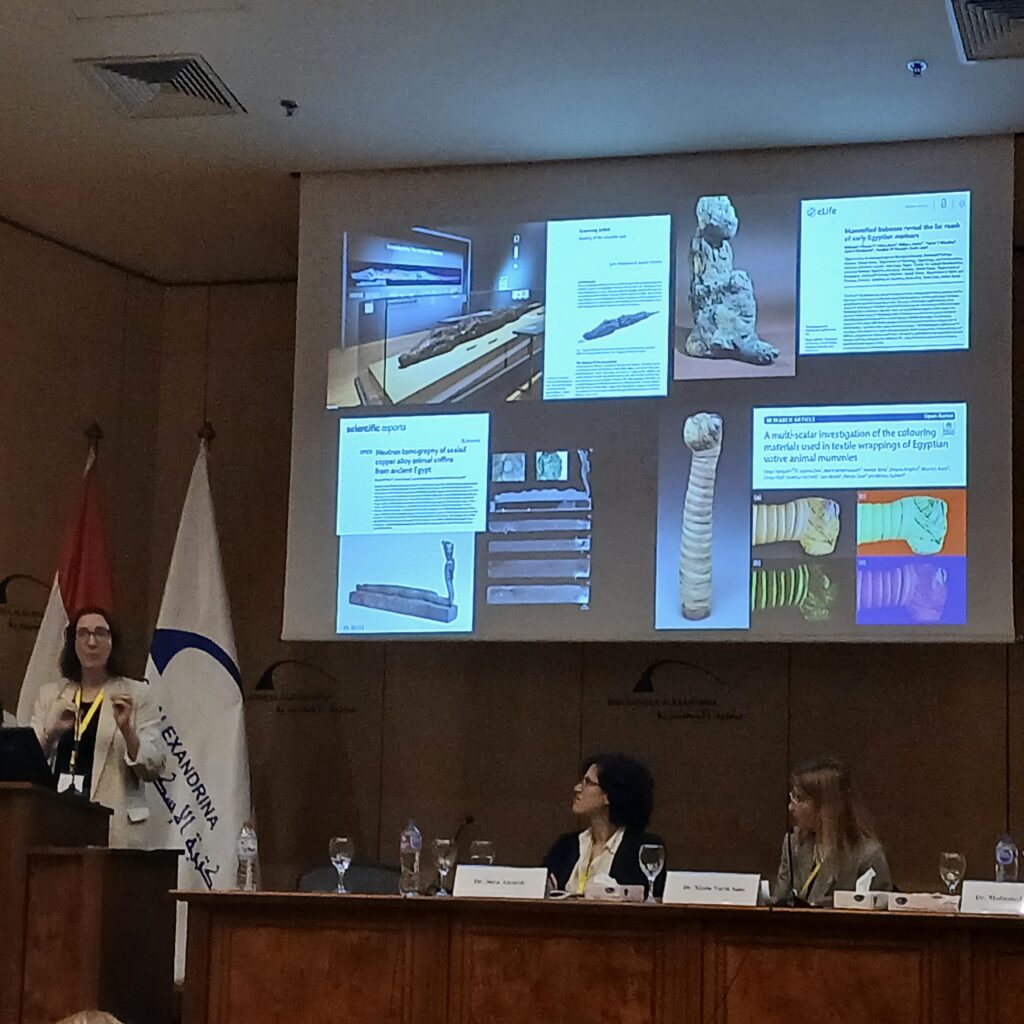
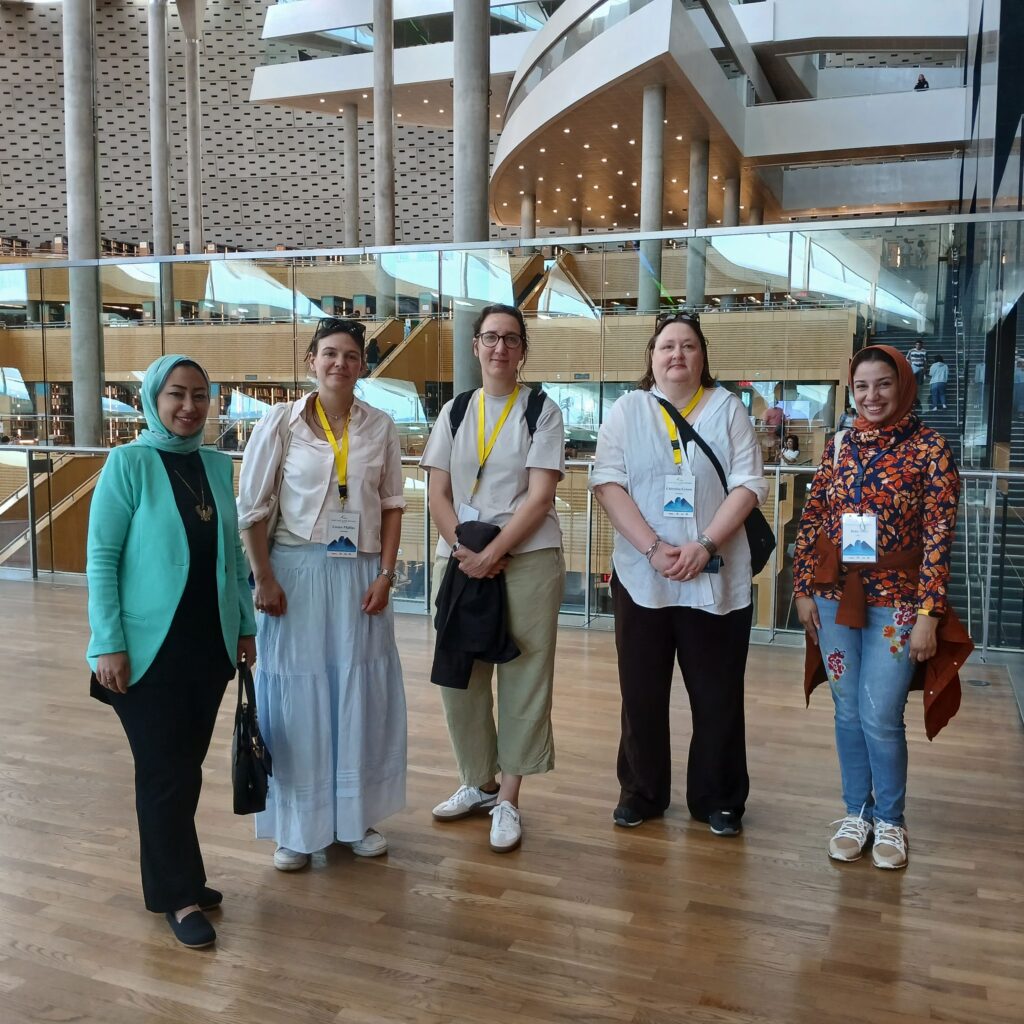
Equally valuable was the opportunity to meet and speak with British Museum colleagues throughout the conference. Beyond the formal presentations, these conversations allowed us to exchange experiences, learn about ongoing projects, and reflect on shared challenges and opportunities in museum practice. Moments like these remind us of the importance of professional networks such as ITP, which continue to create opportunities for collaboration and learning long after the programme itself has ended.
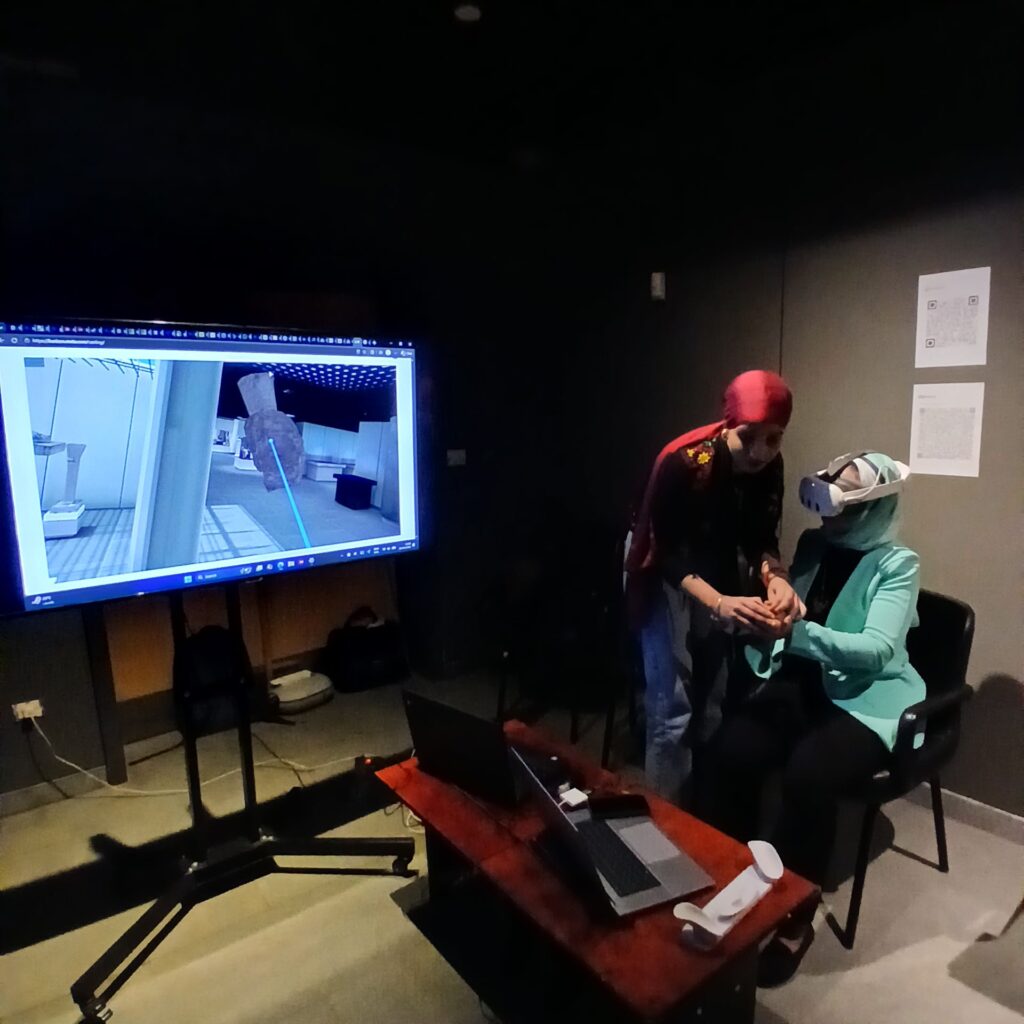
The conference experience extended beyond the lecture hall. On the final day, we participated in a workshop on the use of artificial intelligence tools in the study of Ancient Egypt, followed by a tour of the Bibliotheca Alexandrina and its Antiquities Museum. The programme concluded with a visit to the Graeco-Roman Museum, offering further opportunities for learning and discussion in a more informal setting.
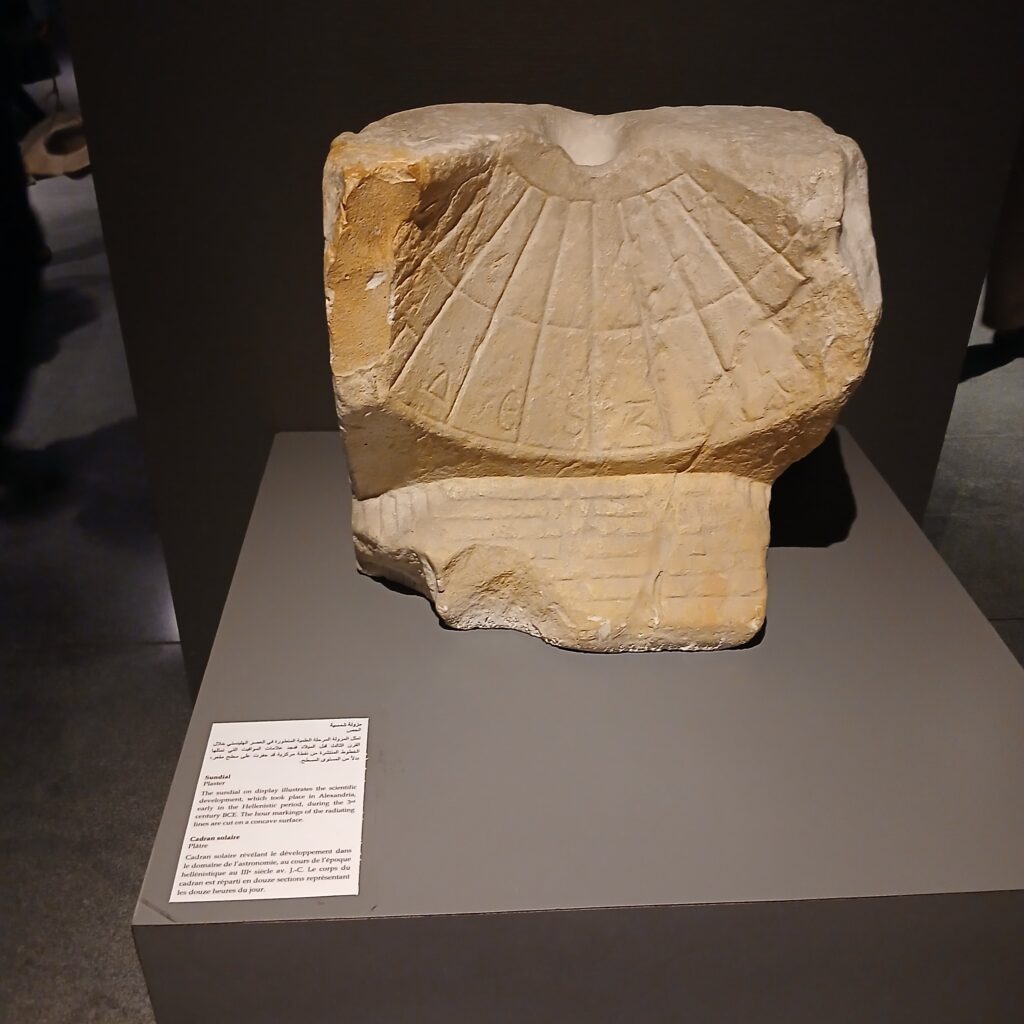
During our visit to the Antiquities Museum, one object in particular caught our attention: a replica of a Hellenistic sundial, while the original is housed in the British Museum. Reflecting the scientific and astronomical knowledge for which ancient Alexandria was renowned, the sundial was a small but memorable discovery. After several days of learning from and speaking with British Museum colleagues, this unexpected connection between the two institutions felt especially meaningful.
We left AENT3 with more than new knowledge about technology and heritage. We also left with valuable professional connections, inspiring conversations, and fresh perspectives that will continue to inform our work. The conference reminded us that museums do more than preserve the past—they create spaces for learning, collaboration, and building connections across cultures and borders. We look forward to carrying these experiences forward and continuing to explore how innovation can support the preservation and sharing of cultural heritage.